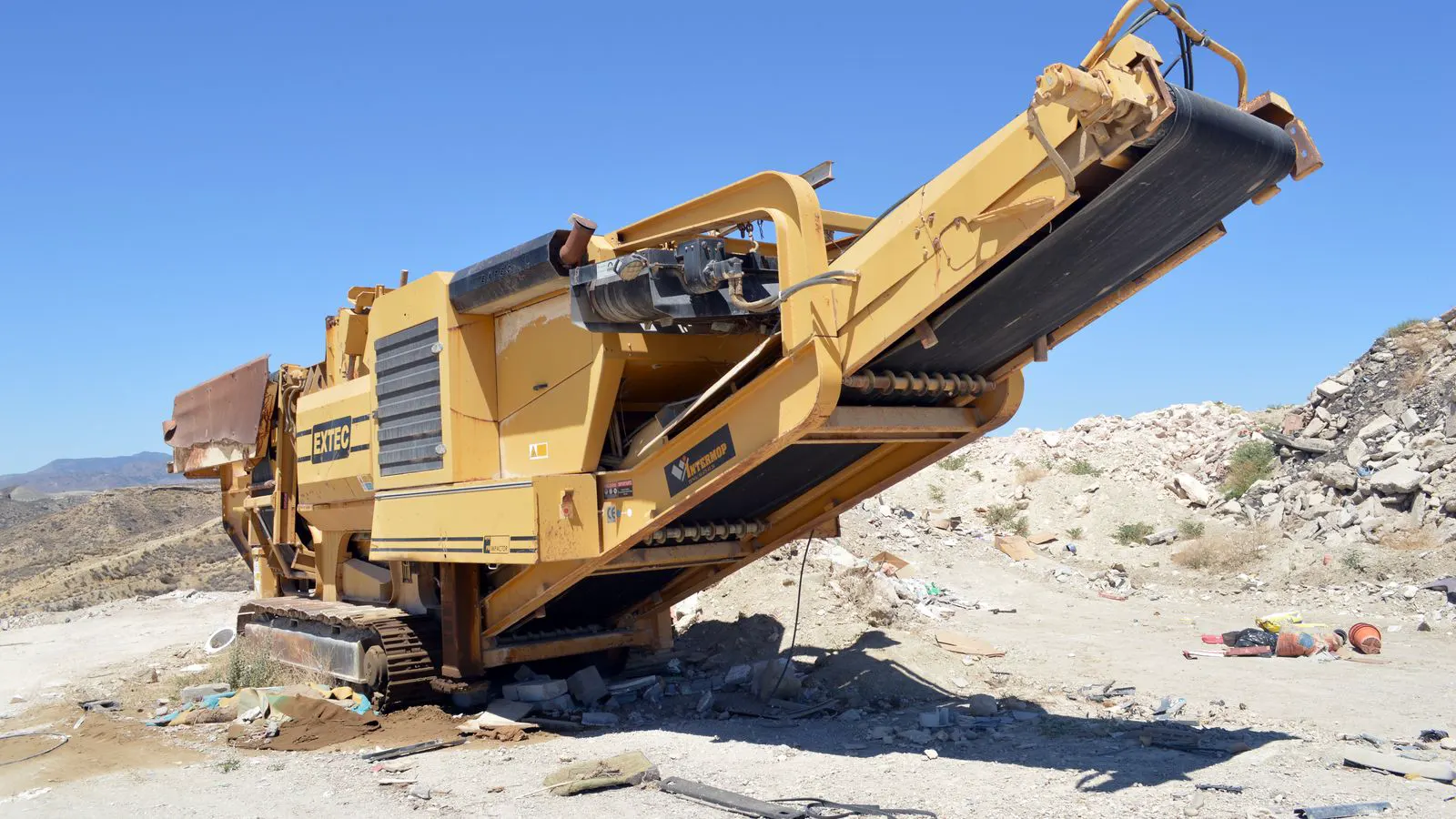
Crushers & Screens
Primary vs Secondary Crusher Sizing for Plant Efficiency
Matching primary and secondary crusher sizing directly controls plant efficiency. A well-sized primary stage feeds the secondary without starvation or overload. Correct
Compare jaw, cone, and gyratory crushers and screening solutions to improve throughput and reduce maintenance.
Matching primary and secondary crusher sizing directly controls plant efficiency. A well-sized primary stage feeds the secondary without starvation or overload. Correct
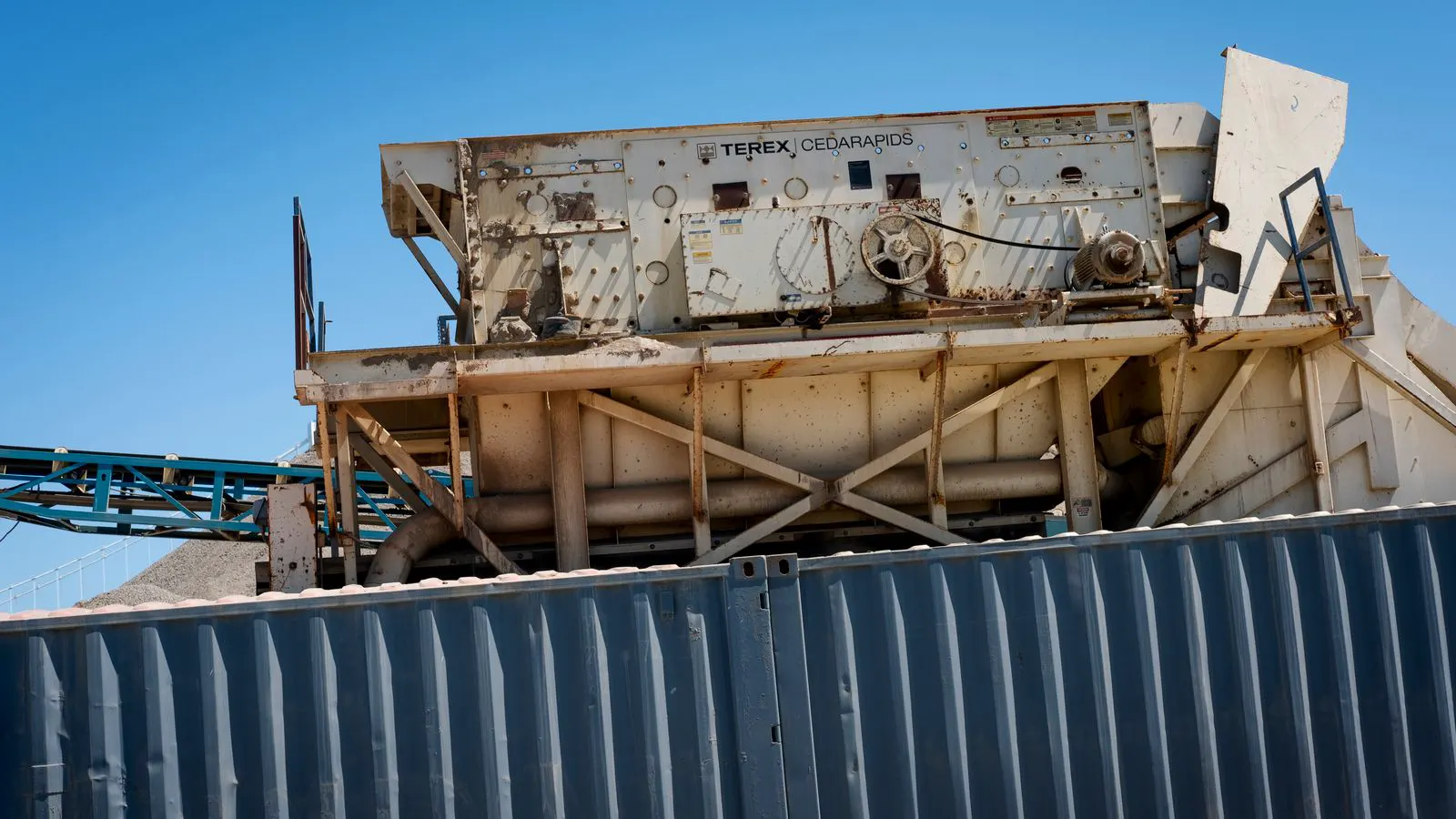
Selecting the right vibrating screen requires matching screen size, deck count, material type, and throughput. This guide provides a clear framework for evaluating
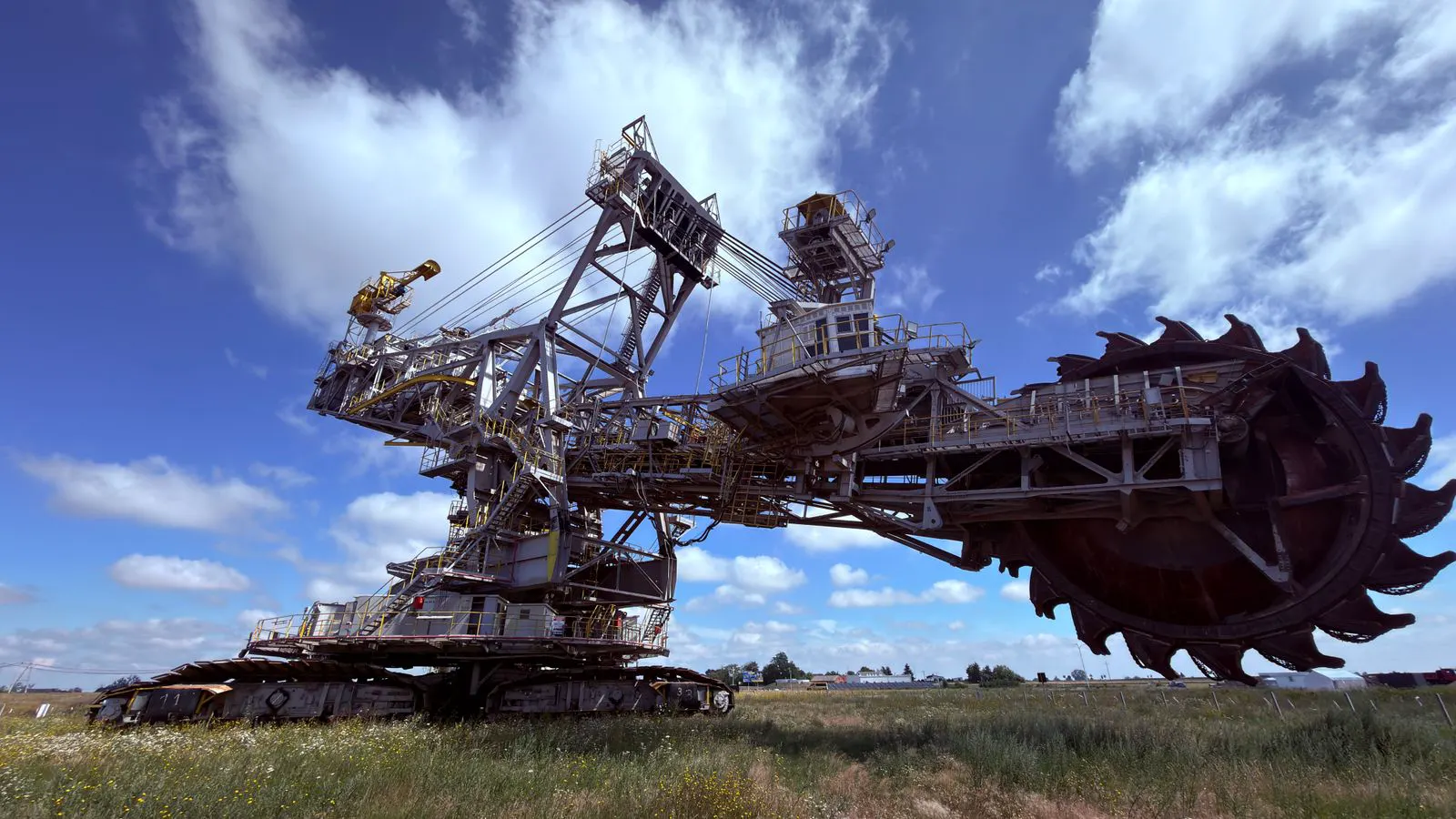
Screening efficiency trends point to smarter vibration control, material feedback systems, and durable screen media. Plant operators should plan for modular designs

A proper crusher installation checklist covers site grading, foundation checks, utility connections, and safety interlocks. Completing these steps prevents vibration
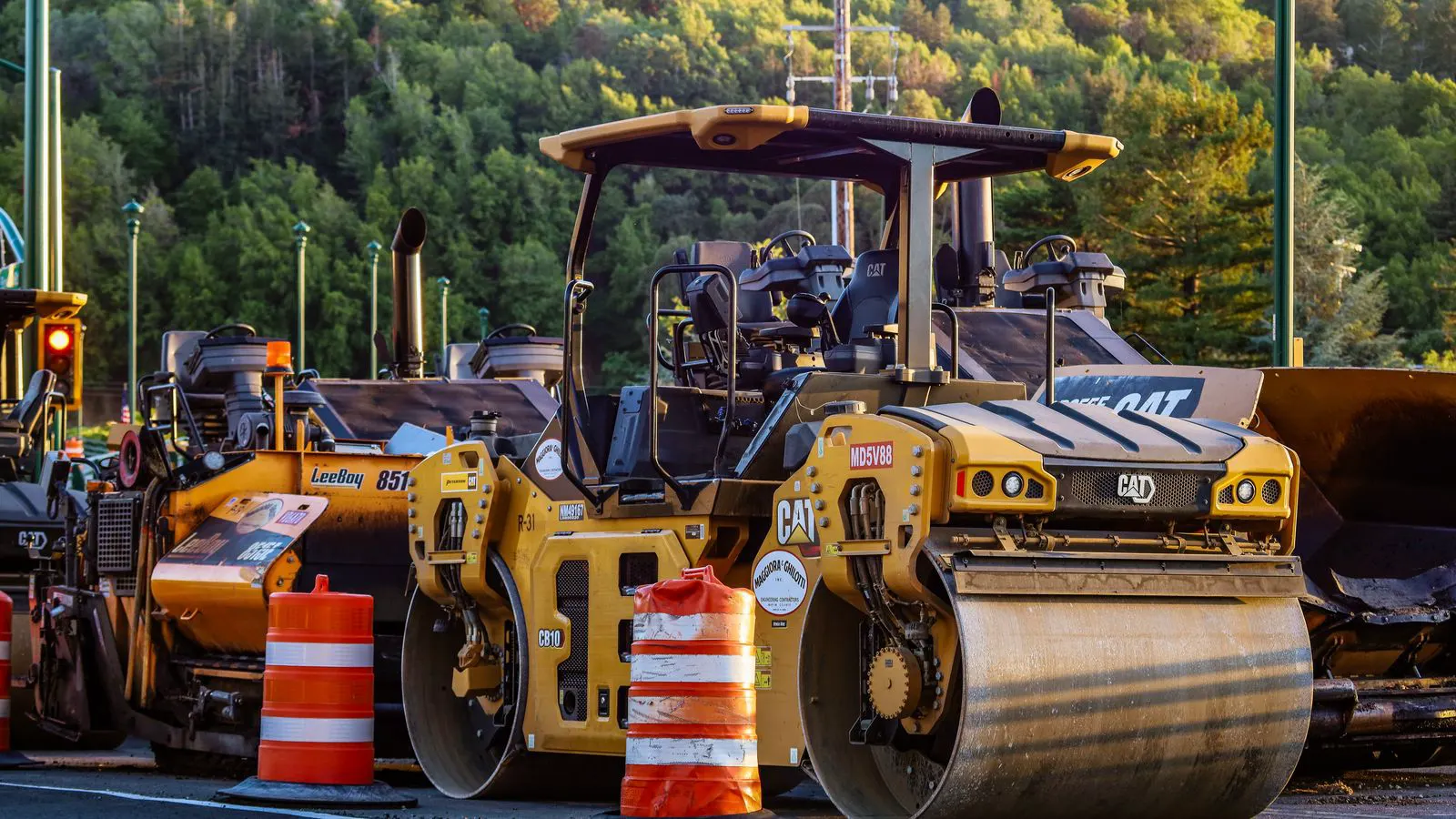
Excessive cone crusher vibration and overload usually trace to worn liners, misaligned springs, excessive feed, or blocked discharge. This guide lists common symptoms
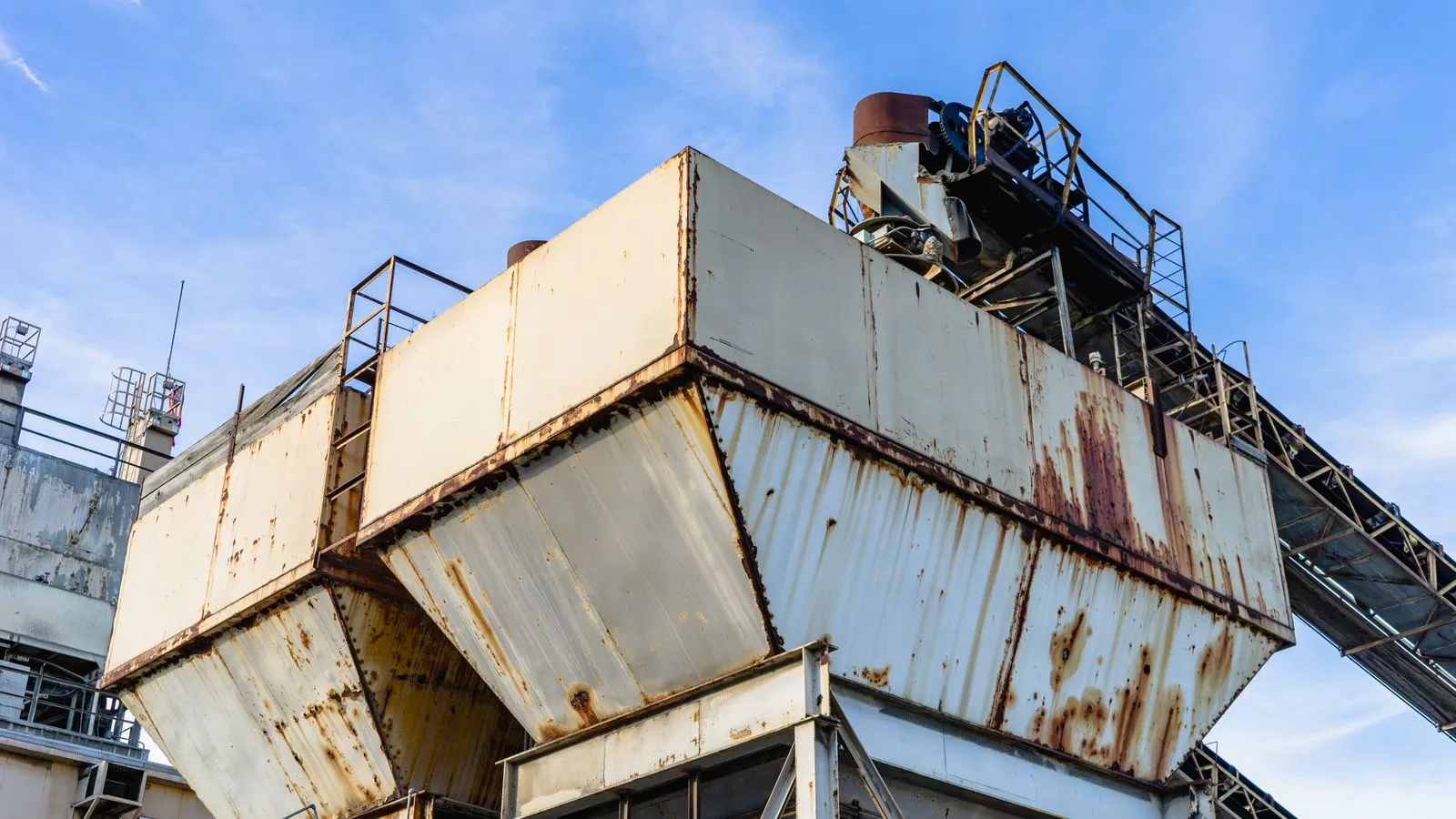
Gyratory crushers handle large feed with lower maintenance frequency but higher downtime risk. Cone crushers offer finer reduction with lower cost per ton but require
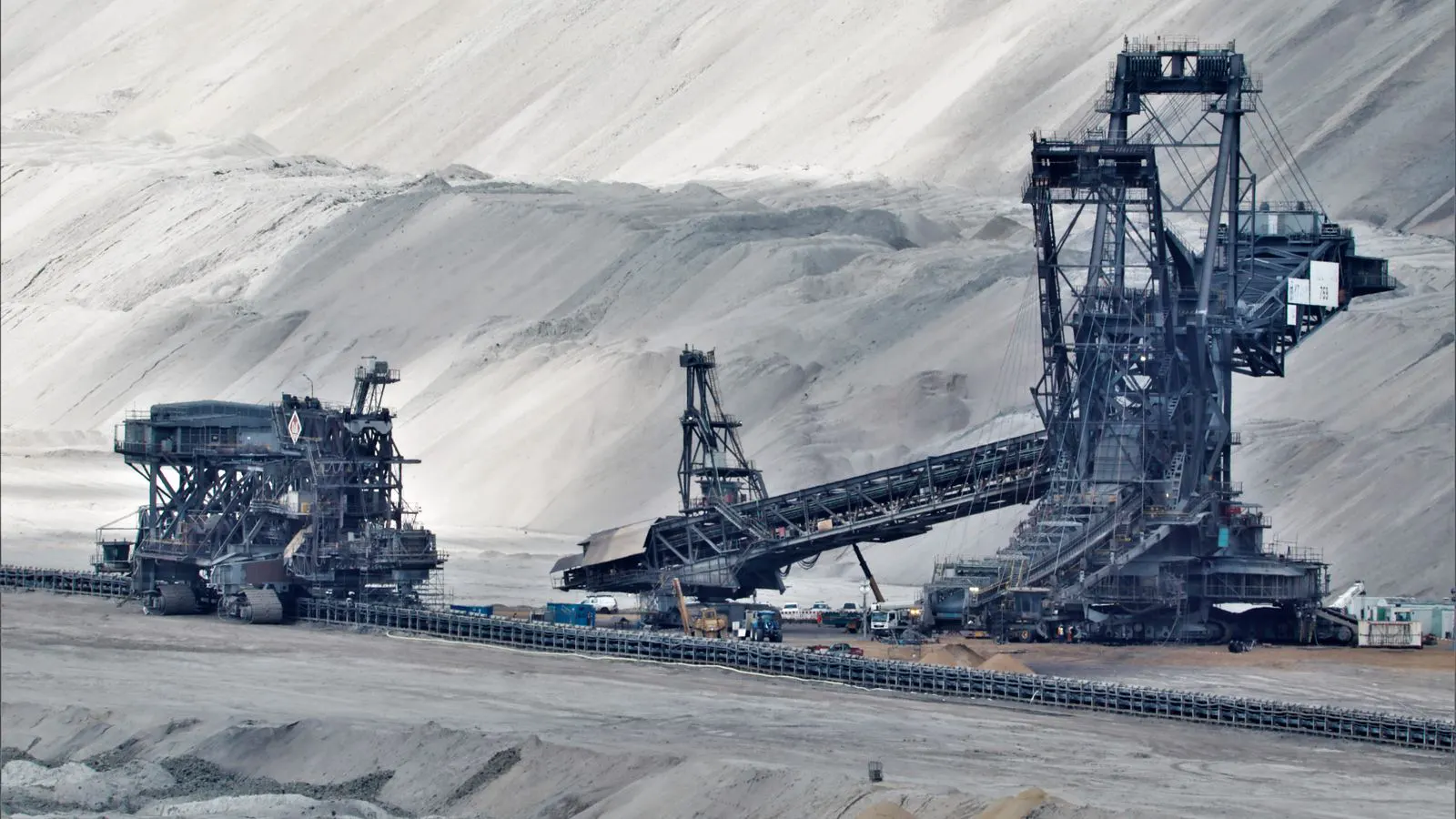
Gyratory crusher sizing requires balancing feed size, ore hardness, and target product size. This guide outlines the engineering steps to dimension the machine for

Cone crusher liner cost varies with material, size, and wear pattern. Lead time depends on stock availability and custom fabrication. A clear RFQ and fair quote
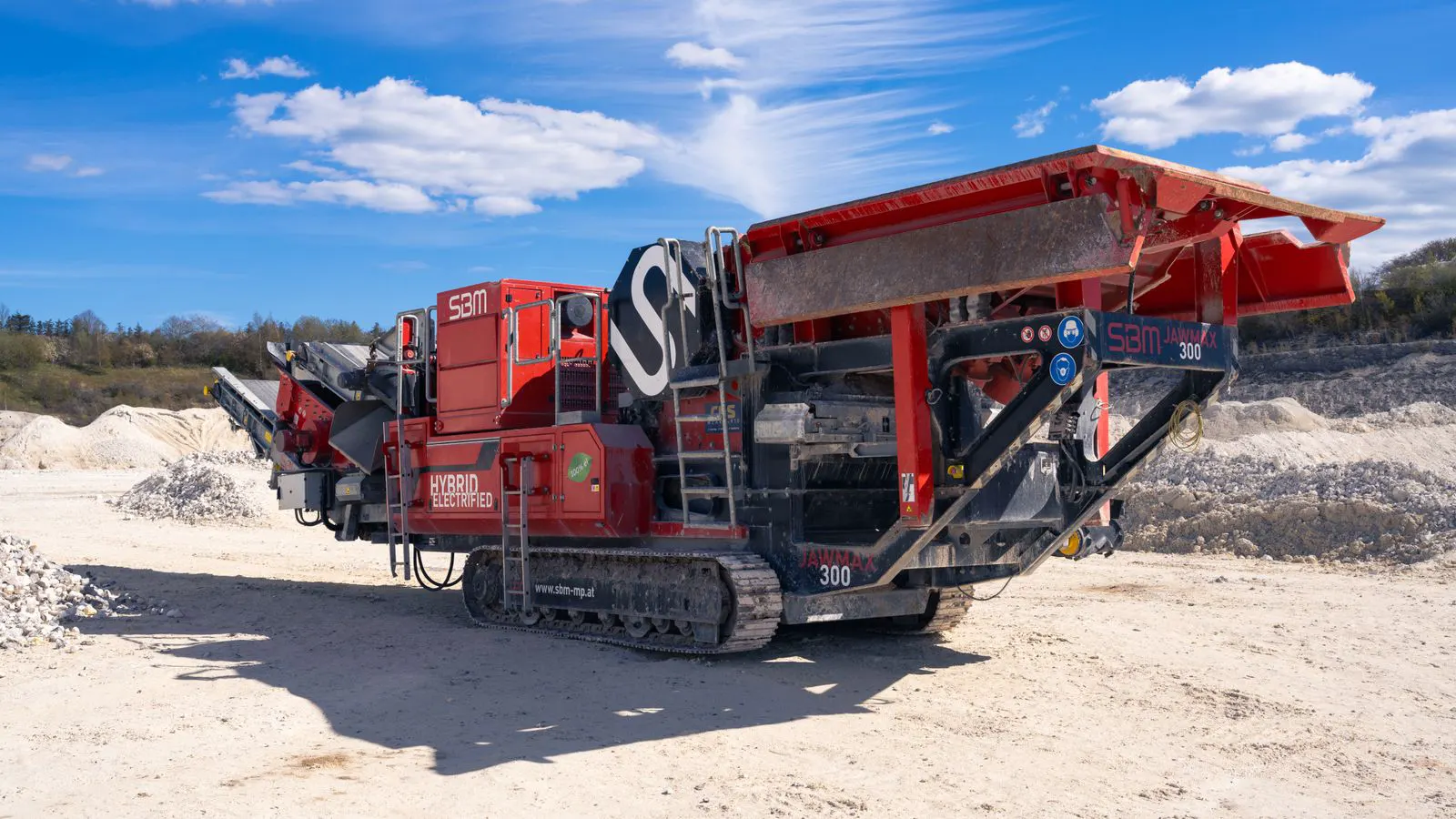
Jaw crushers handle high compressive strength rock well but require finer secondary processing. Cone crushers deliver better shape and capacity but need pre-crushing.