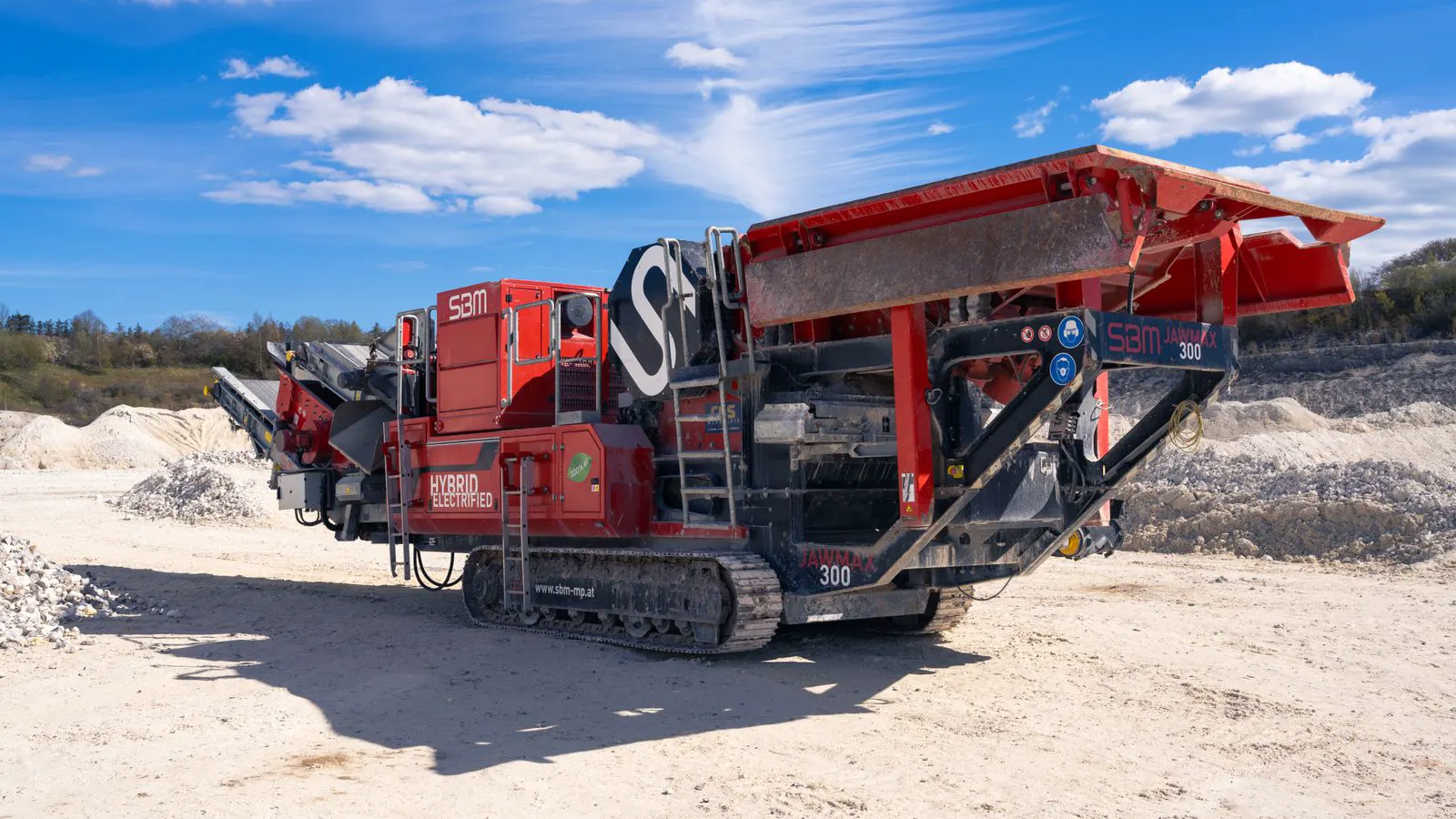
Gyratory crusher sizing requires balancing feed size, ore hardness, and target product size. This guide outlines the engineering steps to dimension the machine for maximum production, including capacity verification and plant layout considerations.
- Size the crusher based on feed size and target product, not just nominal capacity
- Account for ore hardness and moisture content in your throughput calculation
- Verify the machine against the entire crushing plant design, not in isolation
- Common sizing mistakes lead to underperformance or equipment damage
- Always include a final verification step with real plant data or vendor specifications
Why Gyratory Crusher Sizing Matters
Gyratory crusher sizing determines whether your primary stage meets production targets or becomes a bottleneck. A machine that is too small will run continuously at its limit, wear liners faster, and struggle with feed surges. A machine that is too large increases capital cost, consumes more power, and may operate below its ideal efficiency range.
The sizing process is not a simple lookup from a catalog. It involves understanding the feed material, defining the target product size, and calculating the actual tonnage the machine must handle. This guide walks through the engineering steps required to dimension a gyratory crusher for maximum production.
Step One: Define the Feed Characteristics
Before selecting a machine, document the feed material properties. Record the maximum feed size, the percentage of material below 50 mm, the rock hardness, and the moisture content. These values drive the rest of the calculation.
Maximum feed size is the largest particle that will enter the crusher chamber. This is typically 95-99 percent of the feed. Rock hardness, often measured in Mohs or compressive strength, affects the specific energy required for crushing. Moisture content influences the fines content in the product and can affect the machine’s ability to process the material.
If you do not have complete feed data, take core samples from the mine and run laboratory crush tests. This provides the specific energy and the size distribution you need for an accurate calculation. Do not rely on nominal ore grades or historical production figures without verifying them against current conditions.
Step Two: Establish the Target Product Size
The target product size is the maximum particle size that exits the gyratory crusher. This value is set by the downstream equipment, typically the cone crusher or the screening system. In a standard primary crushing circuit, the gyratory crusher reduces the feed to a size that the secondary crusher can handle efficiently.
A common target for primary crushing is 100-300 mm, depending on the downstream cone crusher capacity. If the target size is too large, the secondary stage will work harder and wear faster. If it is too small, the primary stage will operate at lower efficiency and may choke. Match the target size to the feed rate and the design capacity of the entire plant.
Document this target in your plant design drawings. It must be consistent across the crusher specification, the screening design, and the secondary stage sizing. Inconsistencies between stages are a frequent source of production loss.
Step Three: Calculate the Required Throughput
The throughput calculation is the heart of the sizing process. You need to determine the tonnage the gyratory crusher must process per hour to meet the plant’s production target. This calculation accounts for the feed rate, the reduction ratio, and the operating efficiency.
The basic formula relates the feed size, the product size, and the specific energy. However, in practice, engineers use vendor capacity curves and empirical factors to adjust for the actual ore properties. Start with the nominal capacity of candidate machines, then apply derating factors for feed size, hardness, and moisture.
For example, if a machine has a nominal capacity of 500 tons per hour at 100 mm feed and a hardness of 5 Mohs, and your feed is 120 mm with a hardness of 7 Mohs, you must derate the capacity. The exact derating depends on the manufacturer’s curves and your specific ore data. This is where accurate feed characterization becomes critical.
Step Four: Select the Machine Dimensions
Once you have the required throughput, select the machine dimensions. Gyratory crushers are typically sized by the width of the top opening, often expressed in meters or feet. Common sizes range from 1.5 m to 3 m or larger for primary service.
The machine selection involves matching the top opening width to the feed size. As a general rule, the top opening should be at least 1.5 to 2 times the maximum feed size. This allows the material to enter the chamber without excessive bridging. If the feed is too large for the opening, the machine will choke and the throughput will drop.
Consider the chamber profile and the number of liners. A wider chamber increases capacity but also increases power demand and maintenance cost. A narrower chamber reduces these factors but may limit throughput. The choice depends on your specific ore properties and the target product size.
Step Five: Verify Power Requirements
After selecting the machine dimensions, verify the power requirements. The motor size must be sufficient to handle the maximum feed rate without overloading. This calculation uses the specific energy of the ore and the throughput.
If the power requirement exceeds the standard motor size, you may need a larger machine or a different crusher type. In some cases, a cone crusher may be a better fit for the primary stage if the feed is smaller and the hardness is high. Review the trade-offs carefully.
Power verification also includes the starting torque. Gyratory crushers have high starting torque requirements, so the motor and drive system must be designed accordingly. Check the manufacturer’s data for the maximum starting current and ensure your electrical system can handle it.
Step Six: Consider the Plant Layout
The gyratory crusher does not operate in isolation. Its sizing must fit within the overall crushing plant design. The feed system, the discharge conveyor, and the screening system all interact with the crusher performance.
The feed system must deliver material at the design rate without surging. A well-designed feed system with a grizzly screen and a feeder can significantly improve crusher performance. The discharge conveyor must have enough capacity to handle the product flow without backing up.
The screening system determines the bypass fraction. If the screen is undersized, the product size will be larger than intended, and the secondary stage will work harder. If the screen is oversized, the bypass fraction will be too high, and the primary stage will not achieve the target reduction. Coordinate all these elements in the plant layout.
Step Seven: Run a Final Verification
The final verification step is critical. Take your selected machine and its dimensions, and run the calculation through a complete plant model. Include the feed characteristics, the target product size, and the downstream equipment capacities.
Check the reduction ratio, the specific energy, and the power demand. Verify that the machine operates within its efficiency range. If the results show a bottleneck, adjust the sizing or the plant layout. This step catches errors that are easy to miss in the individual calculations.
Document all assumptions and calculations in your design report. This report will be used by the procurement team, the electrical engineer, and the maintenance staff. It also serves as a reference for future upgrades or modifications.
Common Sizing Mistakes
The first common mistake is relying on nominal capacity without derating for actual feed conditions. Catalog capacities assume ideal feed sizes and hardness levels. Real ore is rarely ideal.
The second mistake is ignoring the moisture content. High moisture increases the fines content and can reduce the effective capacity of the machine. It also affects the liner wear rate.
The third mistake is not coordinating the sizing with the downstream stages. A well-sized primary crusher that feeds an undersized secondary stage will still limit production.
The fourth mistake is skipping the final verification step. Engineers often assume that their calculations are correct and move on. A final check against a complete plant model catches many errors.
Final Checklist for Gyratory Crusher Sizing
Use this checklist to verify your sizing before proceeding to procurement:
- Feed characteristics are documented and verified
- Target product size is defined and consistent
- Throughput calculation includes all derating factors
- Machine dimensions match the feed size and target product
- Power requirements are verified against the electrical system
- Plant layout coordinates all interacting components
- Final verification is complete and documented
Following these steps ensures that your gyratory crusher is sized for maximum production and long-term reliability. The process takes time, but the investment pays off in reduced downtime, lower wear costs, and higher throughput.
Frequently asked questions
How do I determine the correct top opening width for a gyratory crusher?
The top opening width should be at least 1.5 to 2 times the maximum feed size. This allows material to enter the chamber without excessive bridging. Verify this against the manufacturer's data for your specific ore.
What is the typical reduction ratio for a primary gyratory crusher?
A typical reduction ratio for primary crushing is 5 to 10, depending on the feed and product sizes. The exact ratio depends on the ore properties and the downstream stage design.
How does moisture content affect gyratory crusher sizing?
High moisture increases the fines content in the product and can reduce effective capacity. It also increases liner wear. Always derate the capacity when moisture is above the optimal range for the machine.
Can I size a gyratory crusher without laboratory crush tests?
You can use general rules of thumb, but the results will be less accurate. Laboratory crush tests provide the specific energy and size distribution needed for a precise calculation. If tests are not possible, use conservative derating factors.
What is the difference between nominal capacity and actual throughput?
Nominal capacity is the maximum throughput under ideal conditions. Actual throughput depends on feed size, hardness, moisture, and operating practices. Always derate the nominal capacity to estimate actual performance.