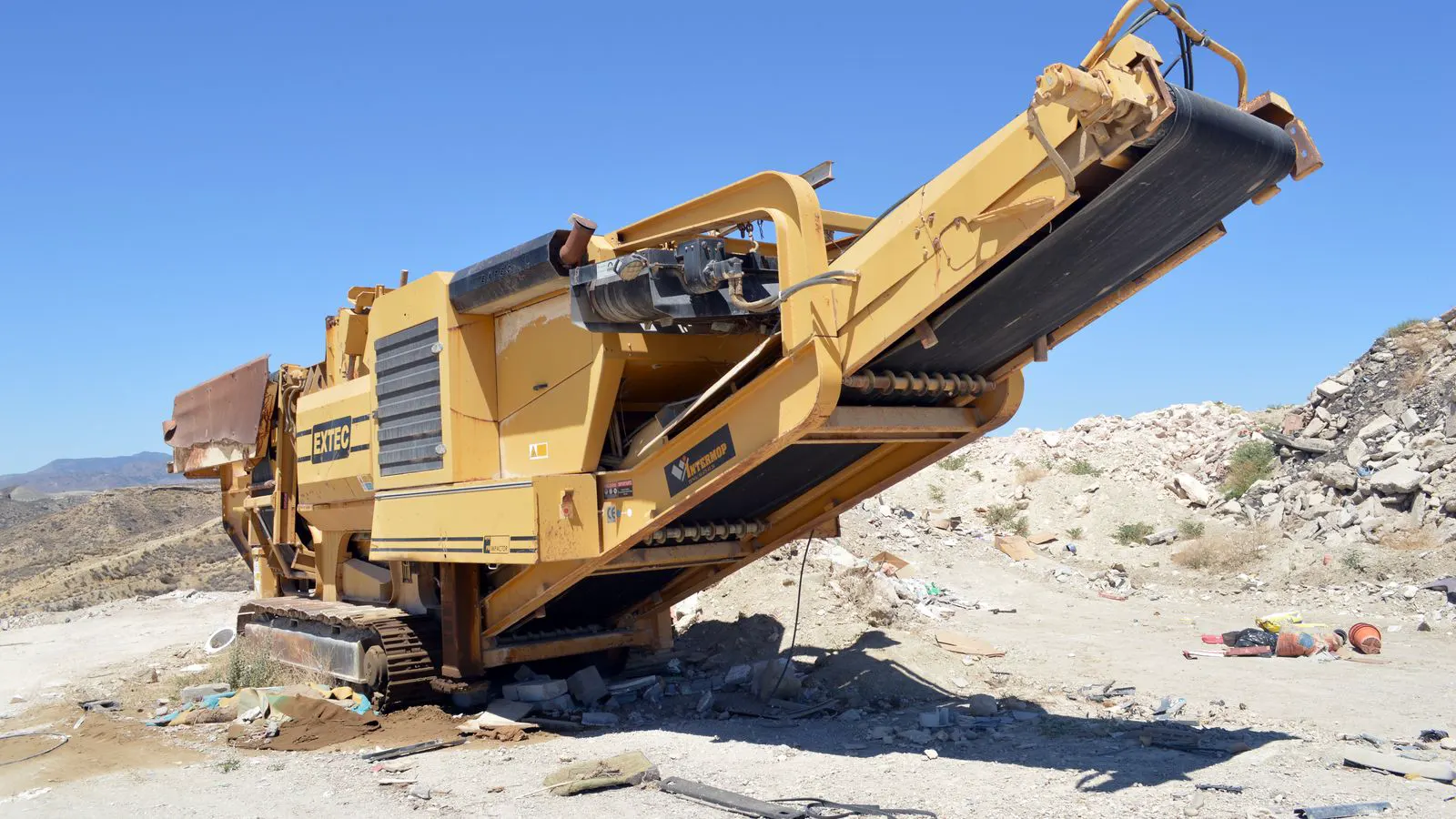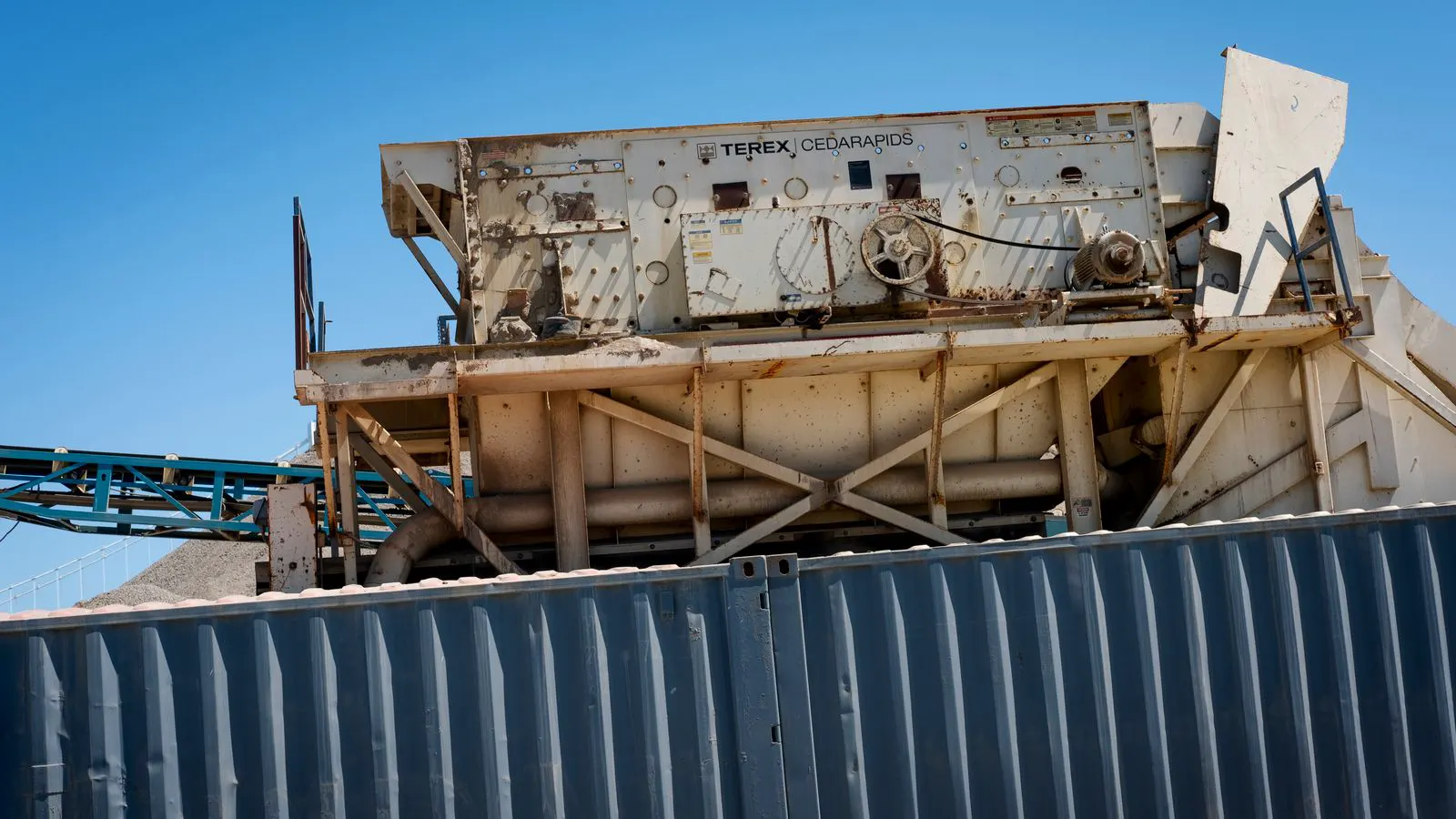
Selecting the right vibrating screen requires matching screen size, deck count, material type, and throughput. This guide provides a clear framework for evaluating screening equipment options against your specific plant requirements.
- Match screen area and deck count to your feed size and target product distribution
- Evaluate material abrasiveness and moisture before choosing screen media
- Verify the drive system matches your power supply and maintenance access needs
- Confirm the screen can handle peak feed rates without excessive deck loading
- Review vendor technical data for deck geometry and support structure requirements
Why Your Current Screen Performance Varies
A vibrating screen performs well when the deck geometry, drive system, and material load align with the plant design. When one of these elements is off, the screen either underperforms or wears out faster than expected.
The selection process starts with the material, not the machine. The size distribution of the feed, its moisture content, and its abrasiveness determine which screen configuration will work. A screen that handles clean, dry aggregates well may clog quickly with sticky coal or wet clay.
Before comparing vendors, write down your actual feed rate, the feed size, and the product size you need. This baseline data drives every other decision in the purchase.
Defining Your Screening Requirements
The first step in vibrating screen selection is defining the exact job the machine must perform.
Start with the feed size. Most screens take feed that is larger than the deck openings. If the feed is already near the target size, you may only need a small amount of deck area. If the feed is much larger, you need more area and likely more decks.
Next, define the target product size. This determines the deck opening size. The deck opening is not arbitrary. It must be small enough to pass the desired product but large enough to prevent excessive clogging with your specific material.
Moisture content changes everything. Dry material flows freely. Wet material tends to stick and clog. A screen that works fine in dry conditions may need a different deck geometry or a different screen media material when wet.
The throughput requirement sets the scale of the machine. You need to know not just the average feed rate, but the peak rate. Screens sized for average throughput will struggle when the feed rate spikes.
| Criterion | What to look for | Why it matters |
|---|---|---|
| Deck area | Total area of all decks combined | More area handles larger feed volumes and reduces clogging risk |
| Deck count | Number of screening decks in the unit | More decks allow finer product separation and better size distribution |
| Deck opening size | The size of openings in the screen media | Determines the final product size and affects clogging potential |
| Drive type | Electromagnetic, eccentric shaft, or spring suspension | Affects vibration intensity, maintenance frequency, and power requirements |
| Screen media | Material and type of screen surface | Determines durability under abrasion and resistance to clogging |
Choosing the Right Deck Configuration
Deck configuration is where many buyers make mistakes. They focus on total deck area and ignore the arrangement of decks.
Single deck screens are simple and cost-effective. They work well when you only need to separate one size class. The feed goes on top, the undersize passes through, and the oversize goes to the next stage.
Two deck screens provide better separation. The first deck takes the coarse feed and passes the middle size. The second deck takes the middle size and separates it into finer product. This setup is common in aggregate plants and many mining operations.
Three deck and four deck screens are used when you need multiple product sizes from a single unit. Each deck handles a different size class. The more decks you have, the more complex the material flow becomes.
The deck geometry matters as well. Some screens have rectangular decks. Others have circular or elliptical decks. The shape affects how material spreads across the deck and how the screen media wears.
When you are deciding between deck counts, consider the downstream equipment. If the next stage is a crusher, you need to pass a consistent size to that crusher. If the next stage is a storage bin, you have more flexibility in the product distribution.
Evaluating Screen Media Options
The screen media is the part of the screen that wears out. Its selection affects both the life of the screen and the consistency of the product.
Woven wire mesh is the most common screen media. It works well for clean, dry materials. It has a consistent opening size and good tensile strength. However, it can clog when the material is sticky or wet.
Punched plates are used when the material is abrasive or when you need larger openings. They are more durable than wire mesh but can be more expensive. They also have a fixed opening size, so you cannot easily change the product size without replacing the plate.
Rubber screens are used for some applications where the material is soft or where you need to reduce vibration. They can be more flexible but may not handle high abrasion well.
The choice of screen media also depends on the deck shape. A large opening on a punched plate deck requires a different mounting method than a small opening on a woven wire deck.
Before selecting screen media, consider the replacement cost and the lead time. If a particular screen media is hard to source, you may face downtime when it wears out.
Drive System and Suspension
The drive system creates the vibration that moves the material across the deck. Different drive systems have different strengths.
Electromagnetic drives are common in many industrial applications. They are reliable and require less maintenance. They work well for many materials. The main limitation is that they are less effective for very fine screens.
Eccentric shaft drives provide higher vibration intensity. They work well for coarse screening and for materials that need aggressive agitation. They require more maintenance and are heavier.
Spring suspension systems are used in some designs. They allow the deck to move more freely and can reduce stress on the frame. They are less common but can be effective for certain applications.
The suspension system also affects the vibration frequency. Higher frequency screens can handle more material per unit area. Lower frequency screens provide more time for the material to separate.
When evaluating the drive system, check the power requirements. A larger drive system needs more power. If your plant power supply is limited, this becomes a constraint.
Maintenance Access and Replacement
A screen that is hard to maintain will cost you more in the long run.
Check the access to the screen media. Can you remove the deck without moving the entire unit? Are the screen media panels easy to remove and replace? If the deck is deep inside a frame, replacement takes more time.
The frame material matters too. Steel frames are common. Some designs use cast iron or other materials. The frame must be able to handle the vibration forces over time.
The support structure is critical. A vibrating screen transmits forces to its supports. If the supports are not designed for the vibration, the structure can crack or loosen.
When you are evaluating a screen, ask about the expected service life of the screen media. A screen media that lasts longer reduces your replacement frequency. A screen media that is easy to replace reduces your downtime.
Comparing Vendors and Technical Data
When you compare vendors, you are comparing technical specifications, not marketing claims.
Ask for the deck area, the deck opening size, the drive type, and the screen media material. These are the core specifications. If a vendor cannot provide clear technical data, that is a warning sign.
Check the documentation. You should receive a technical data sheet, an installation guide, and a maintenance manual. If the documentation is vague or missing, the vendor may not be prepared to support the installation.
The vendor should be able to answer specific questions about the drive system, the suspension, and the screen media. If the answers are general or vague, dig deeper.
Do not rely on the lowest price. A screen that is cheaper to buy may cost more in maintenance, replacement, and downtime. Factor in the total cost of ownership.
Final Decision Checklist
Before you place the order, run through this checklist:
- The feed size and target product size are clearly defined
- The deck area and deck count match the throughput requirement
- The screen media is suitable for the material type
- The drive system matches the power supply and maintenance access
- The frame and supports are rated for the vibration forces
- The vendor has provided clear technical data and documentation
- The expected screen media life is understood
- The installation and maintenance requirements are realistic for your plant
- The total cost of ownership is calculated, not just the purchase price
- The screen can handle the peak feed rate, not just the average
If any of these items is unclear, do not proceed until it is resolved. A well-selected screen will serve the plant for years. A poorly selected screen will cause problems from the first week of operation.
Frequently asked questions
What is the main factor in vibrating screen selection?
The feed material characteristics and the target product size drive the screen configuration. The deck area, deck count, and screen media all follow from these two factors.
How do I know if I need more than one deck?
You need more than one deck when you require multiple product sizes from a single screening stage. A single deck separates one size class. Multiple decks separate several size classes.
What causes screen clogging?
Clogging happens when the material is too wet, too sticky, or when the deck opening is too small for the material. The screen media material and the deck geometry affect clogging risk.
How often do I need to replace screen media?
It depends on the material abrasiveness, the screen media material, and the operating conditions. Check the vendor data for expected life and plan for replacement based on actual wear.
Can I change the screen media after purchase?
Yes, if the mounting system allows it. Many screens use standard panel sizes that can be replaced. The opening size of the new media determines the new product size.