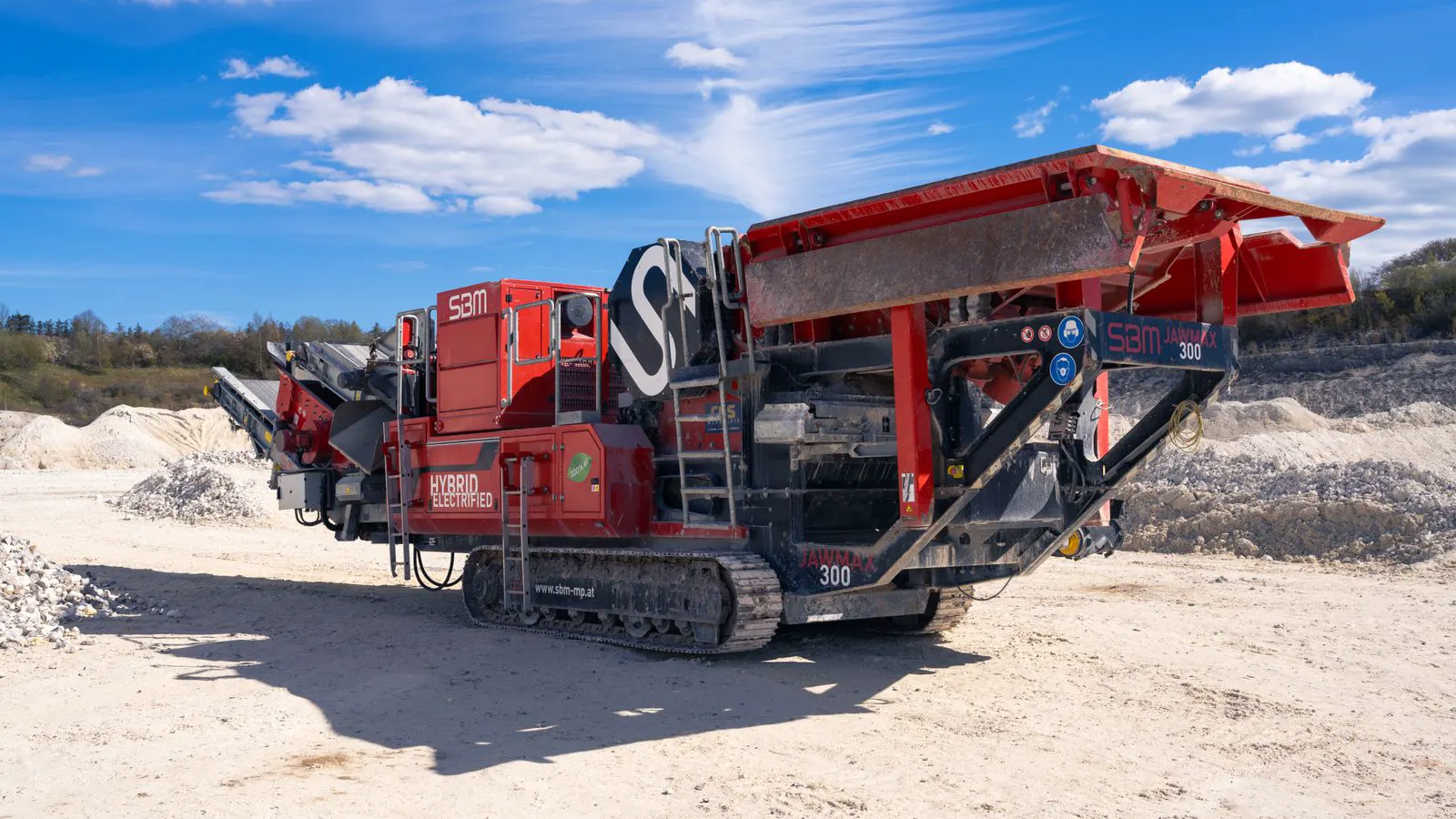
Crushers & Screens
Jaw vs Cone Crushers for Hard Rock: Selection Guide
Jaw crushers handle high compressive strength rock well but require finer secondary processing. Cone crushers deliver better shape and capacity but need pre-crushing.
Specs, supplier checks, and lifecycle costs for mining buyers
Jaw crushers handle high compressive strength rock well but require finer secondary processing. Cone crushers deliver better shape and capacity but need pre-crushing.
Start with the stage of the sourcing process you are in.
Compare jaw, cone, and gyratory crushers and screening solutions to improve throughput and reduce maintenance.
Explore air, hydraulic, and electric drilling systems for exploration and production, with guidance on borehole planning.
Analyze capital and operating costs, downtime impacts, and total cost of ownership to support long-term equipment decisions.
Buyers compare crushers, drills, conveyors, and wear parts against specs, lead times, and total cost. This site gives you the checks and documents needed to make those decisions. It covers supplier selection, quality checks, and lifecycle planning without vendor bias.
Each section explains the parts, materials, and processes that affect performance and downtime. You get clear comparisons between options and the red flags to watch for in quotes and warranties. The goal is to save time and reduce risk when you source equipment for a mine or processing plant.
Review feed size, throughput, discharge size, material hardness, and the manufacturer's rated capacity. Check the liner material, bearing type, and whether the unit is designed for wet or dry operation. Always confirm the specs match your feedstock and processing requirements.
Ask for references from similar operations. Check the warranty terms, spare parts availability, and service response times. Review the drill rig's rated depth, diameter range, and compatibility with your rock type and drilling method.
Belt material, pulley lagging, idlers, and wear plates are the main wear items. Match the belt grade to the material being conveyed and the ambient temperature. Check idler spacing and bearing life ratings to avoid premature failure.
Add the purchase price to expected liner and bearing replacement costs, energy consumption, maintenance labor, and downtime costs. Factor in the expected service life and whether the unit can be refurbished or extended with parts. Compare total cost, not just the initial quote.
Ask for machine safety certificates, material safety data sheets for wear parts, and compliance with local electrical and mechanical standards. Verify that the equipment meets the applicable OSHA or equivalent safety regulations for your jurisdiction. Confirm that all guards and interlocks are included in the delivery.
Compare the rated payload, cycle time, fuel or energy consumption, and availability of spare parts. Check the service network in your region and the lead time for critical components. Request a total cost of ownership analysis that includes fuel, maintenance, and downtime.