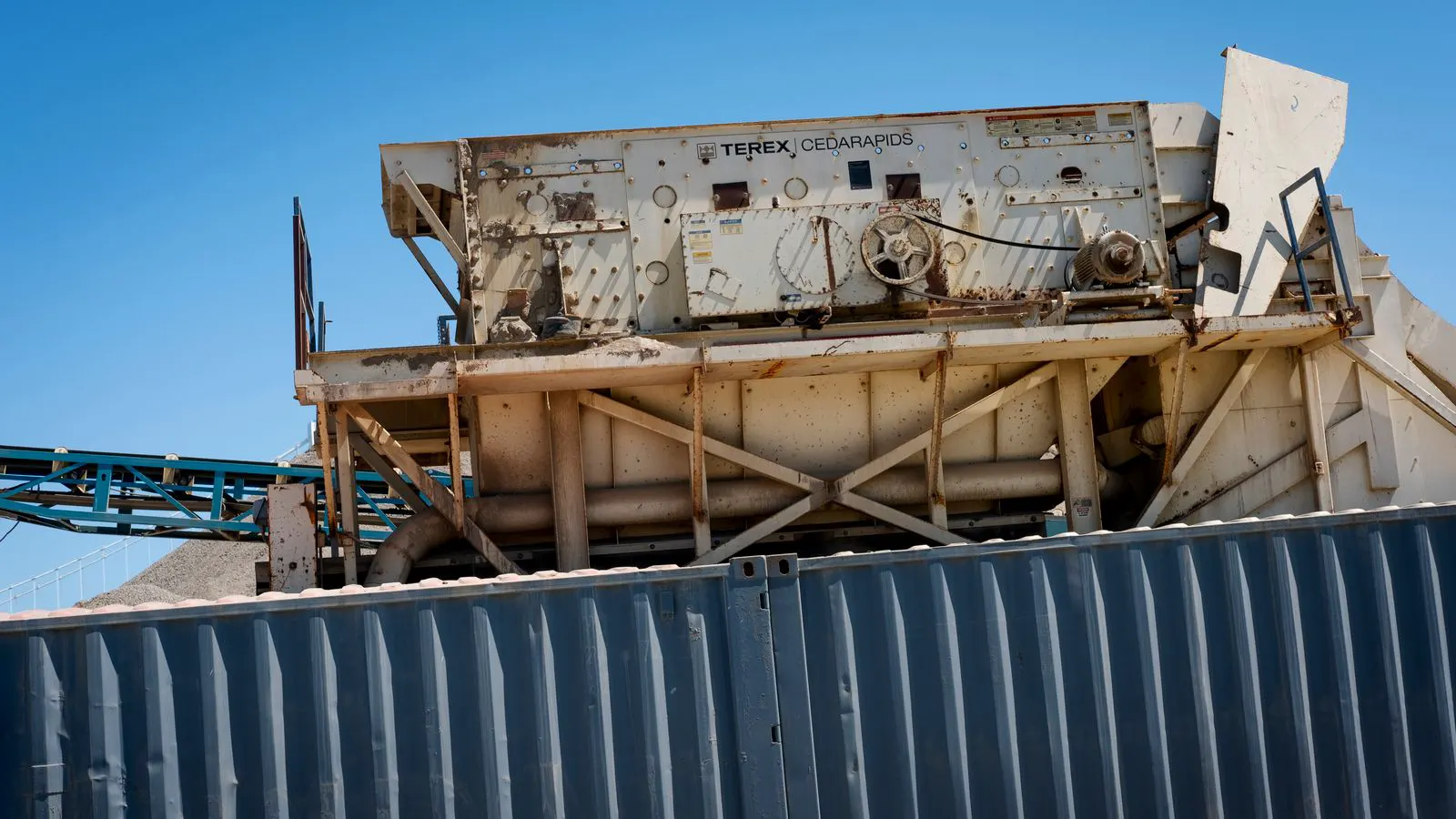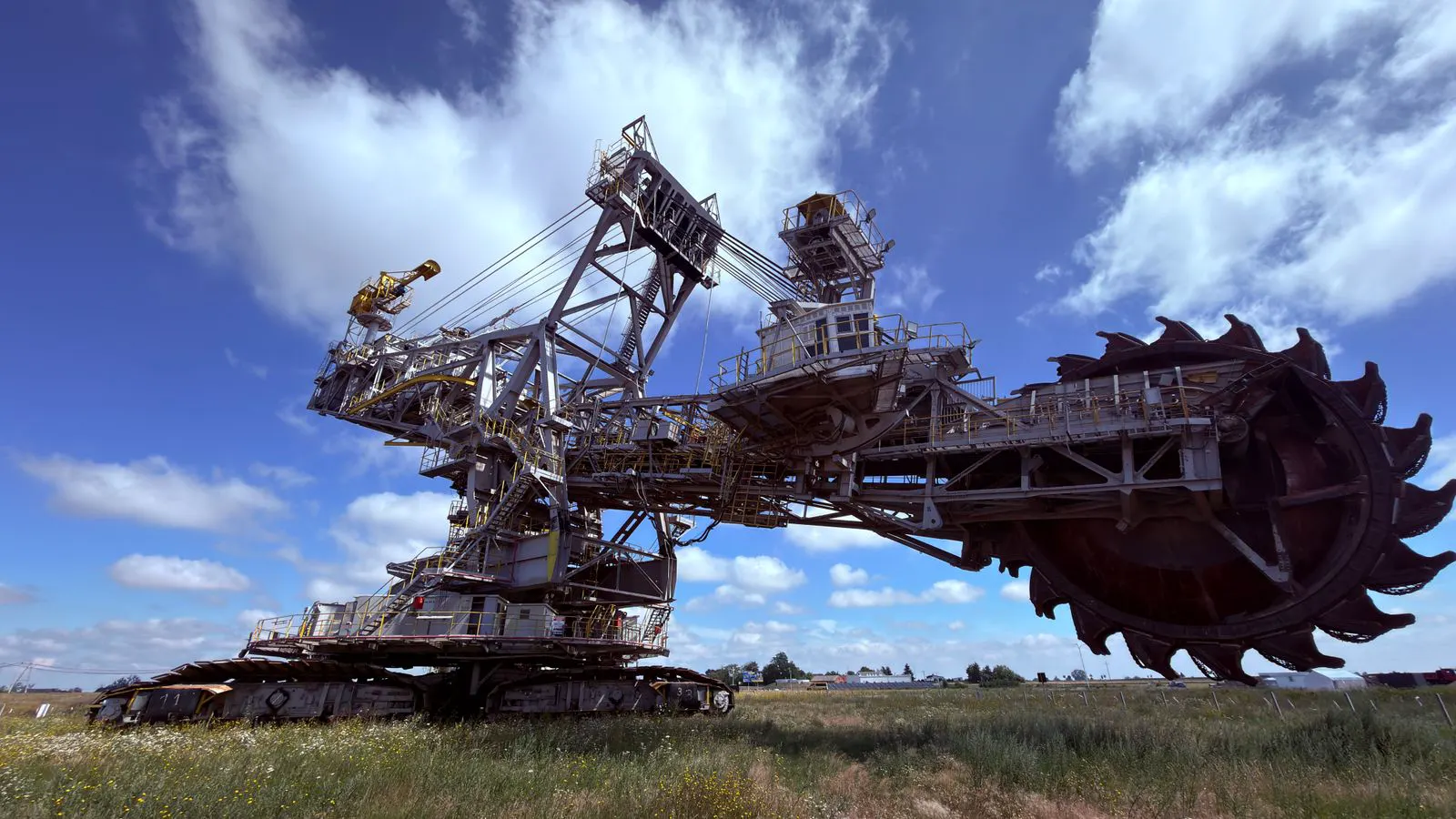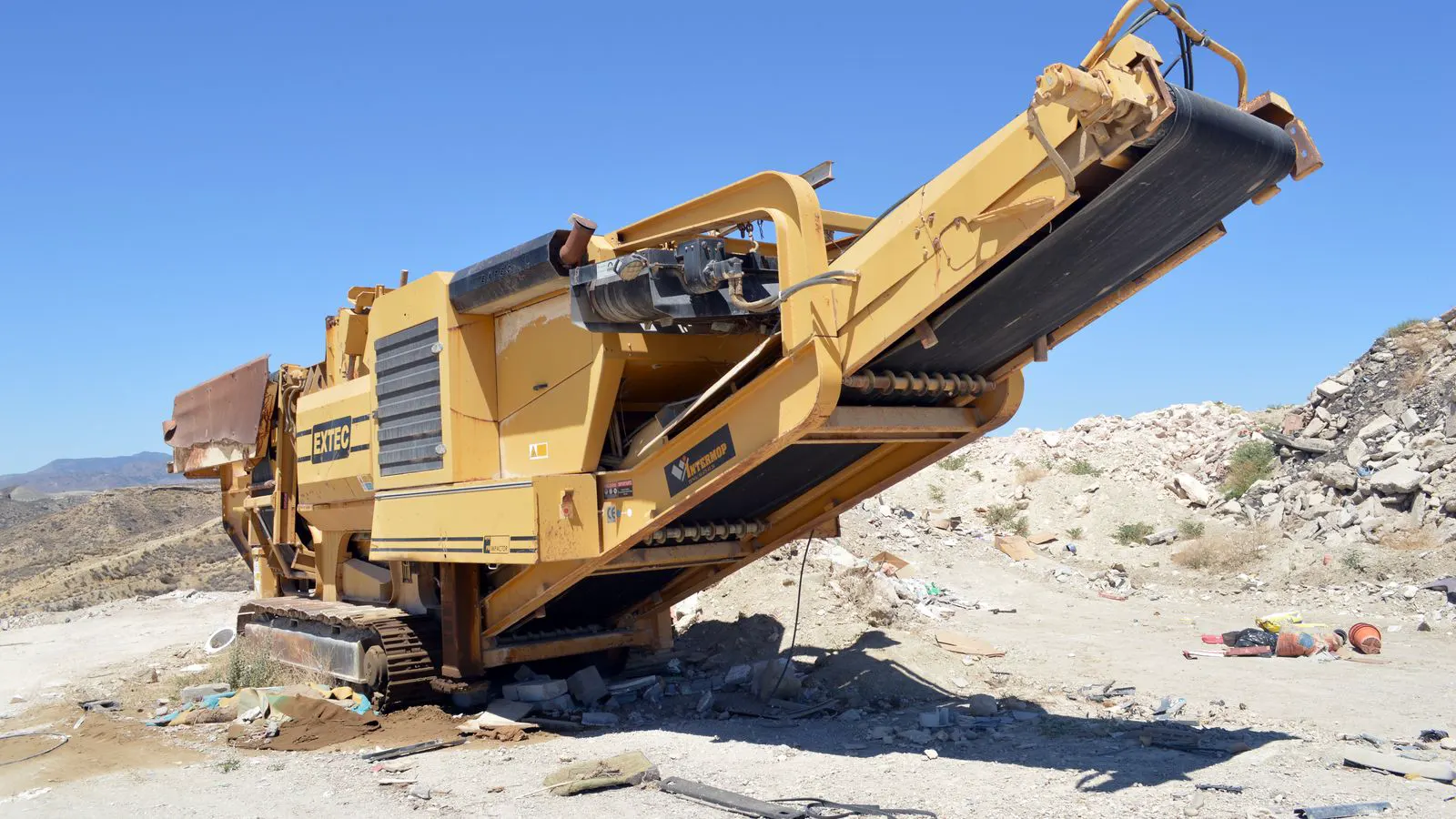
Matching primary and secondary crusher sizing directly controls plant efficiency. A well-sized primary stage feeds the secondary without starvation or overload. Correct sizing requires reviewing feed size, target product, and maintenance access.
- Size the primary crusher for the maximum feed size, not the average feed size.
- Keep the secondary crusher capacity at or slightly above the primary crusher maximum throughput.
- Leave physical and maintenance space around each unit based on expected service needs.
- Match crusher type to the ore or material characteristics before finalizing the plant layout.
- Review the sizing decisions against the target throughput during the design phase.
Plant efficiency often depends on how well the crushing stages work together. A primary crusher that is undersized will choke the rest of the plant. A secondary crusher that is overloaded will trip or wear parts faster than expected. Proper crusher sizing is the foundation for protecting throughput and reducing unplanned downtime.
What is the primary crusher sizing goal?
The primary crusher must handle the largest material size that enters the plant. This is typically the run-of-mine ore or bulk feed material. The goal is not to produce a fine product at this stage. The goal is to reduce the feed to a size that the secondary crusher and subsequent stages can process reliably.
Feed size variation is a major factor. If the largest pieces are significantly larger than the design feed size, the primary crusher will struggle. This creates a bottleneck at the head of the plant. The secondary stage may starve, leading to low overall throughput.
When sizing the primary stage, consider the maximum feed size with a safety margin. A common practice is to size the feed opening to accommodate the largest expected piece. This allows the unit to process the material without requiring excessive pre-crushing or manual intervention. In a mine, the maximum rock size often correlates with the bucket or shovel size used for loading. If a 5-tonne shovel places 1.5-metre blocks into the feed conveyor, the primary crusher must be designed to swallow that 1.5-metre block cleanly.
The safety margin is not just about the single largest rock. It accounts for the fact that rock breaks unpredictably. A 1.5-metre block might break into two 0.8-metre pieces, or it might stay intact and jam the discharge. Engineers typically add a percentage to the maximum expected feed size to allow for this variability. This margin ensures that the crusher can process the material without requiring excessive pre-crushing or manual intervention. If the margin is too small, the plant will face frequent jams. If the margin is too large, the primary crusher will be oversized, leading to higher capital costs and potential over-crushing in the secondary stage.
The discharge size from the primary crusher must also be considered. The primary stage should discharge material that is small enough to pass through the secondary crusher’s feed opening without causing a bottleneck. If the primary discharge is too large, the secondary crusher will choke. If the primary discharge is too small, the secondary crusher may not have enough material to process, leading to low overall throughput.
How should the secondary crusher be sized?
The secondary crusher receives material from the primary stage and reduces it to a size suitable for grinding or further processing. Its sizing depends on the primary crusher output and the target product size.
The secondary crusher should be sized to match or slightly exceed the maximum throughput of the primary crusher. This prevents a bottleneck at the secondary stage. If the primary crusher can feed more material than the secondary can handle, the secondary will overload. Overloading a secondary crusher can cause the drive train to trip, leading to unplanned downtime. It can also accelerate wear on the liners and other internal components, increasing maintenance costs.
In many plants, the secondary crusher is slightly larger than the primary in terms of throughput capacity. This gives the system some flexibility. It allows the plant to run at higher throughput without immediately hitting a limit. For example, if the primary crusher is rated for 100 tonnes per hour, the secondary crusher might be rated for 110 to 120 tonnes per hour. This extra capacity allows the plant to handle short-term spikes in feed rate without causing a backup.
The target product size also matters. If the target is a medium-size product, the secondary crusher must be sized accordingly. If the target is finer, the secondary stage may need a larger capacity or a different crusher type. A finer target size requires more crushing work, which means the crusher must process the same mass in less time. This increases the required capacity.
The secondary crusher also needs to handle the material properties coming from the primary stage. If the primary stage discharges material that is very hard or abrasive, the secondary crusher must be designed to withstand that wear. This may require thicker liners or harder materials for the crushing surface. The choice of liner material and thickness directly affects the crusher’s lifespan and maintenance schedule.
How do crusher types affect sizing decisions?
Different crusher types have different strengths and limitations. Gyratory crushers are often used in primary applications because they handle large feed sizes and high volumes. They are effective for reducing large run-of-mine material. Their conical shape allows them to process large blocks of rock efficiently. They are typically larger and heavier than cone crushers, requiring a robust foundation and structure.
Cone crushers are commonly used in secondary applications. They provide finer control over the product size and are well suited for intermediate or final crushing. They can also be used in primary applications in some cases, but this depends on the material and plant layout. Cone crushers are generally more compact than gyratory crushers, making them easier to fit into tight plant layouts. They also offer easier access for maintenance and liner replacement.
The choice of crusher type influences the sizing calculations. A gyratory crusher may need a larger feed opening to handle the largest pieces. A cone crusher may require a different maintenance clearance to allow for liner replacement and inspection. The feed opening size is a critical factor in determining the crusher’s capacity. A larger feed opening allows larger pieces to enter the crusher, increasing throughput. However, a larger feed opening may also lead to over-crushing, where the material is reduced to a size that is too fine for the next stage.
When selecting the crusher type, consider the material characteristics. Hard, abrasive materials may require specific crusher designs and materials. Soft or friable materials may be easier to process but may require different sizing to avoid over-reduction. For example, a soft, friable material may break down easily in the primary stage, potentially producing a fine product that clogs the secondary stage. In this case, the primary crusher may need to be sized to produce a coarser discharge, or a different crusher type may be required.
How do maintenance and access requirements affect sizing?
Sizing is not only about capacity. It also involves physical space and maintenance access. A crusher that is too large or poorly placed can create maintenance problems.
The primary crusher may require a large feed hopper and a discharge area. The secondary crusher may need a different footprint depending on the type. Both require space for operators, maintenance crews, and replacement parts. The space requirements must be considered in the plant layout. If the plant is built in a confined area, the crusher size may be limited by the available space.
Liner thickness and replacement intervals also affect sizing. A larger crusher may have thicker liners that take longer to replace. A smaller crusher may require more frequent liner changes but with less downtime per change. The liner thickness is determined by the material characteristics and the desired lifespan of the crusher. A thicker liner provides more durability but takes longer to remove and replace. A thinner liner is easier to replace but wears faster.
Maintenance access is a key consideration. If the plant is in a remote location, access times can be long. Sizing the crushers to minimize maintenance frequency can reduce overall plant downtime. For example, a primary crusher with a long liner life may reduce the number of maintenance visits required per year. This is especially important in remote locations where transporting spare parts and maintenance crews is expensive and time-consuming.
The layout of the plant must allow for safe and efficient access to the crushers. Maintenance crews need to be able to reach the liners, drive train, and other components without putting themselves in danger. The plant design must include walkways, platforms, and lifting equipment to facilitate maintenance. If the plant is poorly designed, maintenance crews may have to use cranes or other heavy equipment to access the crushers, increasing the time and cost of maintenance.
How do throughput optimization and plant design interact?
Throughput optimization is about running the plant at the highest possible output without causing damage or inefficiency. Plant design must align with this goal.
The crusher sizing decisions are part of the overall plant design. They must be coordinated with the feed preparation, conveying, screening, and grinding stages. A well-designed plant ensures that each stage can handle the material flow from the previous stage. If one stage is undersized, it will create a bottleneck that limits the throughput of the entire plant.
Throughput optimization also involves controlling the feed rate. If the primary crusher is fed too quickly, it will overload. If it is fed too slowly, it will not reach its full capacity. Proper feed control is essential for maintaining optimal throughput. Feed control systems must be designed to match the feed rate to the crusher’s capacity. This may involve variable frequency drives on the feed conveyor or automated feed gates that adjust the amount of material entering the crusher.
Plant design should include provisions for future expansion or changes in feed material. The crushing stages should be able to handle variations in feed size and material properties without major modifications. For example, if the mine changes its extraction method, the feed size may change. If the ore body changes from hard rock to softer shale, the crushing requirements may change. The plant design must be flexible enough to accommodate these changes.
What are common sizing mistakes to avoid?
Undersizing the primary crusher is a common mistake. It leads to a bottleneck at the head of the plant. The secondary stage may not receive enough material, reducing overall throughput. This mistake is often made when engineers underestimate the maximum feed size or do not account for feed size variation.
Oversizing the secondary crusher can also be a problem. It may not be necessary and can increase capital and operating costs. It may also create a mismatch with the primary stage, leading to inefficiencies. An oversized secondary crusher may not process the material efficiently, leading to poor product size distribution and increased grinding costs.
Ignoring feed size variation is another common mistake. If the feed size is larger than expected, the crushers may not perform as designed. Regular monitoring and adjustment of feed size are necessary. Feed size monitoring can be done through optical sensors or manual inspections. If the feed size increases, the plant must adjust its feed rate or modify the crusher settings to maintain throughput.
Not considering maintenance access can lead to long downtime. If the crushers are too large or poorly placed, maintenance crews may have difficulty accessing them. This can increase repair times and reduce plant availability. The plant design must allow for easy access to the crushers and their components. This includes walkways, platforms, and lifting equipment. If the plant is poorly designed, maintenance crews may have to use cranes or other heavy equipment to access the crushers, increasing the time and cost of maintenance.
How to prepare for a crusher sizing project
Before starting a crusher sizing project, gather all the necessary data. This includes feed size, material properties, target product size, and desired throughput. The feed size data should include the maximum expected feed size, the distribution of feed sizes, and the variability of feed size over time. The material properties should include hardness, abrasiveness, moisture content, and other factors that affect crushing performance.
Review the plant layout and identify any constraints. Space, access, and existing infrastructure all affect the sizing decisions. The plant layout must allow for the crushers, conveyors, hoppers, and other equipment. It must also allow for maintenance access and future expansion.
Consult with experienced engineers and equipment suppliers to validate the sizing. They can provide practical insights and help avoid common mistakes. They can also provide information on the latest crusher designs and technologies that may improve the plant’s performance.
Prepare a detailed sizing report that includes the calculations, assumptions, and recommendations. This report should be reviewed by the project team and approved before procurement. The report should include the feed size data, the material properties, the target product size, the desired throughput, and the sizing calculations. It should also include the assumptions made during the sizing process and the recommendations for the crusher selection and plant layout.
A well-prepared project reduces the risk of sizing errors. It ensures that the crushers are selected and installed in a way that supports long-term plant efficiency. It also provides a clear basis for decision-making and helps to avoid costly mistakes.
Frequently asked questions
What is the main goal of primary crusher sizing?
The main goal is to handle the largest feed size and reduce it to a size that the secondary stage can process. This prevents bottlenecks at the head of the plant.
How should the secondary crusher be sized relative to the primary?
The secondary crusher should be sized to match or slightly exceed the maximum throughput of the primary crusher. This prevents overload and ensures reliable operation.
What factors influence the choice of crusher type?
Material properties, feed size, target product size, and plant layout are key factors. Hard and abrasive materials may require specific crusher designs.
How does maintenance access affect crusher sizing?
Maintenance access determines the physical space needed around each unit. Poor access can lead to long downtime and increased repair costs.
What is a common mistake in crusher sizing?
Undersizing the primary crusher is a common mistake. It creates a bottleneck and reduces overall plant throughput.