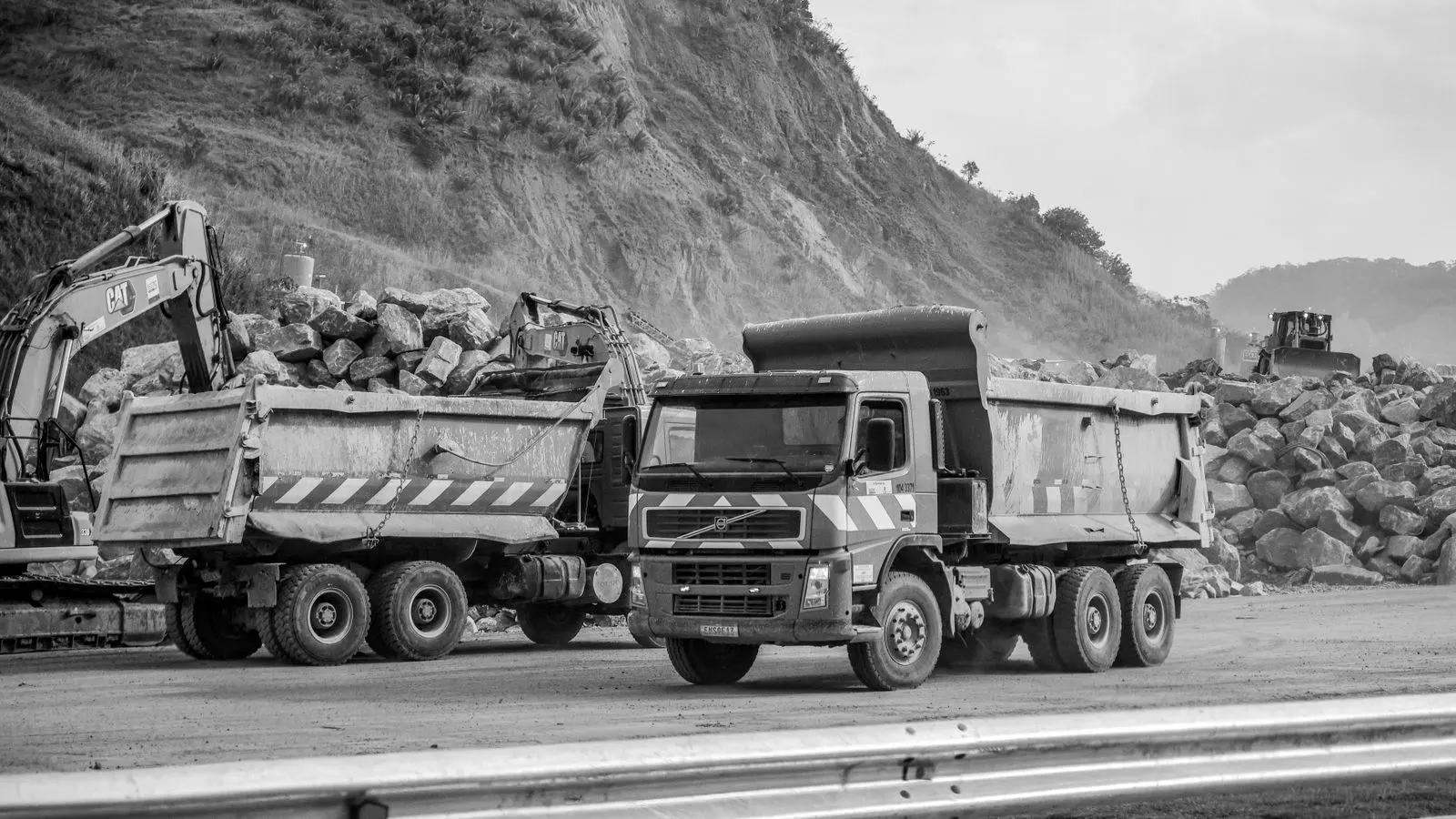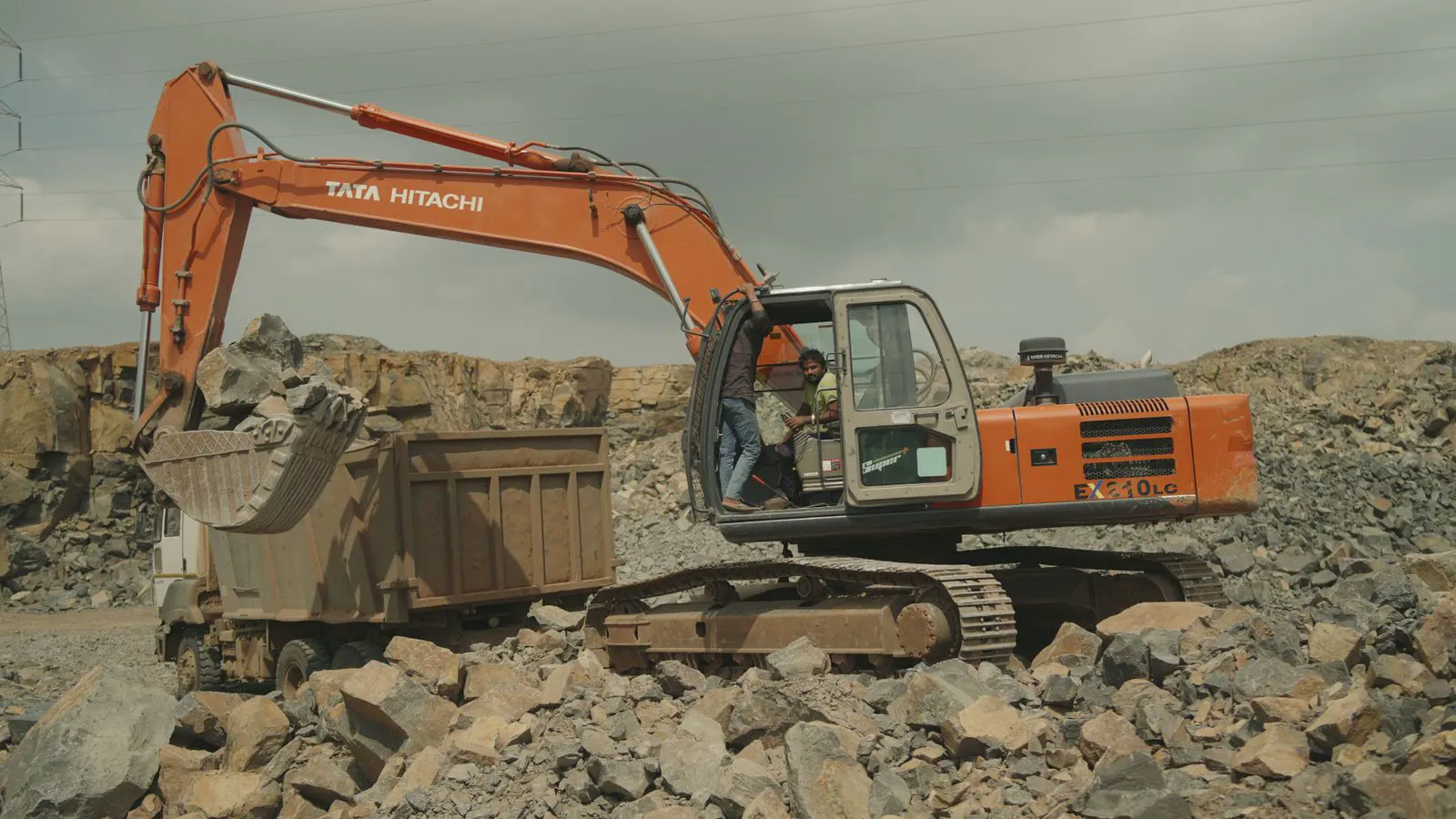
Truck loading systems improve cycle times by aligning loader buckets with truck beds and using mechanical aids to speed up fill and unload. These changes reduce wasted motion, lower cycle time reduction targets, and directly affect sourcing decisions for equipment and site layout.
- Truck loading systems combine bucket geometry, loader hydraulics, and truck bed design to cut the seconds spent on each fill.
- Cycle time reduction depends on matching loader capacity to truck payload and minimizing repositioning between passes.
- Site layout, grade, and loading position affect how much time a system actually saves in practice.
- Choosing between mechanical loading aids and operator skill changes requires a site-specific review.
- A worked example shows how small mechanical changes compound into meaningful productivity gains over a shift.
What a truck loading system actually does
A truck loading system is the set of mechanical and operational elements that move material from a loader or shovel into a haul truck. It includes the loader bucket, the truck bed, the loading position, and any mechanical aids such as bucket magnets, side discharge chutes, or automated filling controls. The system exists for one purpose: fill the truck payload as quickly and cleanly as possible.
Loader efficiency is the share of the loader cycle that produces useful payload. A typical loader cycle has a bucket fill, a travel to the truck, a fill, and a return. Every second spent repositioning the bucket, spilling material, or waiting for the truck to settle adds to that cycle. Cycle time reduction is the measurable drop in total time per truck after those seconds are removed.
How bucket geometry and loader hydraulics change the fill
The bucket is the first point of contact. Bucket size, depth, and lip design determine how much material the loader can push into the bed on a single pass. A deeper bucket with a sharp lip cuts material more cleanly and reduces spillage. A shallow bucket may fill faster but can leave a loose pile that shifts in the truck.
Loader hydraulics control the speed and precision of the fill. High flow rates allow the bucket to rise and dump faster, but too much force can push material over the truck sides. Modern loader controls often include bucket position feedback and load sensing, which lets the operator or an automated system stop the dump at the correct level. This reduces the need for a second pass to level the pile.
How truck bed design affects loading speed
The truck bed is the receiving end of the system. Bed shape, side height, and rear discharge capability all influence how much material the loader can place in one pass. A bed with sloped sides and a low floor allows the loader to drop material more evenly. A high-sided bed protects the payload but can make it harder to see the fill level from the loader cab.
Rear discharge capability matters when the truck can tip its load into a pit, bin, or next truck. If the bed can discharge from the back, the loader may not need to reposition. If the bed only discharges from the rear, the truck may have to back up or turn, adding time. The choice between front, rear, or side discharge depends on the site layout and the next point in the material flow.
Where mechanical aids fit into the system
Mechanical aids are devices that assist the operator without changing the basic loader and truck relationship. Bucket magnets hold material in the bucket during the fill. Side discharge chutes guide material into the truck bed. Automated filling controls guide the bucket through the fill sequence. These aids can reduce operator error and speed up the fill.
The trade-off is complexity. Each aid adds cost, maintenance, and training. A magnet may fail in wet conditions. A chute may clog with wet material. An automated system may need recalibration as the bucket wears. The best aid is the one that matches the material type, the truck design, and the operator skill level.
How site layout and loading position change the results
The loading position is where the truck sits relative to the loader and the next haul road. A good position lets the truck fill without turning, without crossing the loader path, and without waiting for another truck. A poor position forces the truck to back up, reposition, or wait in a queue.
Grade matters. A loading station on a slope changes the effective weight of the material in the bucket and the stability of the truck. A flat station is easier to control but may require longer haul roads. The choice between slope and flat loading depends on the pit geometry and the haul road design.
| Loading position | Typical effect on cycle time | Common constraint |
|---|---|---|
| Flat station, parallel fill | Fastest fill, least repositioning | Requires long haul road |
| Sloped station, angled fill | Faster unload, less turning | Requires grade control |
| Queue-based station | Stable throughput, high waiting | Requires traffic control |
How operator skill and training affect the system
A truck loading system only performs as well as the operator who runs it. An experienced loader operator can read the truck bed shape, adjust the bucket angle, and fill the truck in fewer passes. A new operator may overfill, spill, or leave gaps that require a second pass.
Training should cover bucket handling, truck communication, and material behavior. Wet material sticks to the bucket. Dry material spills. Sticky material requires a different fill angle. The operator must learn how the material behaves at the site, not just how the loader controls work.
Worked example: a simple loading station
Imagine a haul truck with a rear-discharge bed and a wheel loader with a standard bucket. The truck parks parallel to the loader. The loader fills the bed from the left side to the right. The operator uses the bucket lip to cut material and the hydraulics to control the dump.
Now change three things. First, install a bucket magnet to reduce spillage. Second, add a side discharge chute to guide material into the bed. Third, retrain the operator to use the bucket position feedback. The result is not a single dramatic jump. The fill takes a few seconds less per pass. The spillage drops, so the operator does not need to reposition to pick up loose material. The truck bed fills more evenly, so the operator can stop at the correct level.
Over a shift, those small savings add up. The truck spends less time at the loading station. The loader spends less time repositioning. The haul road moves faster because the trucks are not queuing as long. The site can move more material without adding new equipment.
What to check before you buy or install
Before selecting a truck loading system, check the material type, the truck model, and the site layout. The material determines the bucket and aid choices. The truck model determines the bed shape and discharge capability. The site layout determines the loading position and grade.
Check the operator pool. If the operators are experienced, a simpler system may work well. If the operators are new, an automated or assisted system may reduce errors. Check the maintenance plan. Mechanical aids need service, and a failed aid can stop the loading station.
Check the next point in the flow. If the truck discharges into a pit, the bed shape matters less. If the truck discharges into a stockpile, the bed shape and discharge method matter more. The loading system must fit the whole flow, not just the loader and truck pair.
When a truck loading system is worth the cost
A truck loading system is worth the cost when the site has a stable material flow and a predictable truck schedule. If the site has low utilization, high variability, or frequent equipment downtime, the savings from a faster loading system may be small.
The cost is not just the price of the equipment. It includes training, maintenance, and possible layout changes. The return is the cycle time reduction in minutes per truck per shift. A site that can measure that reduction can compare it against the cost of the system and make a clear decision.
The goal is not the fastest possible fill. The goal is a reliable fill that fits the site, the material, and the operator. A truck loading system that works well every shift is worth more than a system that works fast once and then fails.
Frequently asked questions
What is the main mechanical change that improves truck loading cycle time?
Aligning the loader bucket geometry and hydraulics with the truck bed shape reduces the number of passes needed to fill the truck.
How does a bucket magnet help the system?
A bucket magnet holds material in the bucket during the fill, reducing spillage and the need for repositioning.
What site layout factor can slow down a loading station?
A loading position that forces the truck to turn, back up, or wait in a queue adds time to the cycle.
Can a simple system beat a complex one?
Yes, if the material, truck, and operators are stable, a simple system with good training can outperform a complex system that needs constant adjustment.
What is the first thing to measure before buying a truck loading system?
Measure the current cycle time per truck and the time spent at the loading station, then compare it to the expected savings from the proposed changes.