Heavy mining haulage purchasing is constrained by capital expenditure and long delivery schedules. This guide breaks down the cost drivers and procurement timelines that define haul truck selection. It explains how to structure a clear RFQ and compare quotes fairly to avoid budget overruns and schedule delays.
- Haul truck selection is driven by payload, cycle time, and site conditions, not just price.
- Procurement timelines often extend from initial RFQ to final delivery.
- Clear RFQs reduce ambiguity and allow for fairer quote comparison.
- Hidden costs like transport, spares, and installation can shift the final budget.
What Drives the Cost of Heavy Haulage Equipment
The final price of a haul truck is rarely a single number. It is a sum of mechanical components, site specific configurations, and the logistics of getting the machine to your pit. When evaluating equipment costs, start by isolating the base machine from the add-ons. The base price covers the chassis, drivetrain, transmission, and standard attachments. From there, the price changes as you add larger tires, heavier counterweights, or specific loading systems.
Consider a haul truck rated for a standard payload. If you move to a higher capacity class to reduce the number of trips per hour, the frame, axle, and drive components must be upgraded. This is not a linear increase. Moving from one class to the next often involves redesigning the load paths and increasing the fatigue life requirements of critical welds. The base machine price reflects these engineering changes.
Site conditions force specific design choices that add to the budget. A truck operating in a high dust environment needs different filtration. A truck working on steep grades needs a different braking and transmission setup than one on flat terrain. These are not optional extras. They are engineering requirements that change the cost. For example, a truck hauling iron ore on a 12 percent grade will require a larger brake cooling system and a transmission with a lower top gear ratio than a truck hauling overburden on a 5 percent grade. The cooling fans, hydraulic lines, and brake pads are all sized accordingly. This increases the component cost and the assembly time.
Labor costs also factor in. If the machine requires specialized installation or a long commissioning period, your internal team or a contractor will need to be on site for a defined number of weeks. That labor time adds to the project cost. When comparing quotes, look at the total cost of ownership, not just the sticker price. A cheaper machine that requires a longer commissioning period or specialized technical support can cost more in labor than a premium machine that is ready to run immediately.
How Lead Time Shapes Your Procurement Strategy
Lead time is often the bigger constraint than budget. Heavy equipment manufacturing is complex. It involves casting large steel parts, machining heavy components, and assembling the final unit. The production schedule is set by the manufacturer and is not always flexible.
The procurement timeline usually starts with the RFQ. From that point, the process moves to quote review, contract negotiation, and the purchase order. After the order is placed, the manufacturer enters the build phase. This phase can take months. During this time, any changes to the specification can delay the delivery. For instance, if you decide to change the tire size after the order is placed, the factory may need to source different rims and tires. Large tires are often ordered from specific suppliers with their own lead times. A one week change can result in a six week delay.
Transport is another stage. Getting a truck from the factory to the mine involves specialized transport methods. Large tires and the overall weight of the machine require specific transport routes and permits. If the route is not clear, the delivery date moves. Your internal plan must account for this. A truck that is ready to ship cannot be delivered if the road crossing requires a bridge inspection or if a permit for oversized load is pending. The transport phase is where many projects lose control of the schedule.
How to Write a Clear RFQ for Haul Trucks
A vague RFQ leads to vague quotes. If your document does not specify the operating conditions, the bidders will assume the worst case or the best case. Both outcomes are bad. A good RFQ gives the manufacturer the data it needs to build a machine that fits your site.
Start with the site data. Include the haul distance, the grade of the roads, and the type of material being hauled. State the expected daily production. Specify the type of loading system you are using. If you are using a bucket wheel loader, the truck needs a different front end than if you are using a shovel. A bucket wheel loader may require a specific front dump system and a different body geometry to handle the material flow. A shovel may require a different tipping mechanism and a reinforced body structure to handle larger dumps.
State the power source. Diesel, electric, or hybrid changes the entire design. If you are considering electric, specify the charging infrastructure. This is a common point of confusion in early procurement. If the site does not have the power grid, the electric truck cost includes the charging system. Make that explicit in the RFQ. Specify the voltage, the current, and the charging time. If the site has a limited power supply, the truck may need a smaller battery pack or a slower charge rate. This affects the battery cost and the vehicle range.
How to Compare Quotes Fairly
Quotes from different manufacturers are often not comparable at first glance. One quote might include the truck and a set of spare parts. Another might include the truck and a service contract. You need to normalize the data before you compare.
Break the quote into line items. Look at the machine cost, the transport cost, the installation cost, and the spare parts. If one manufacturer offers a lower machine price but a higher transport cost, the difference may disappear. Also, look at the lead time. A cheaper truck that takes four months longer to deliver can cost more if it delays the mine startup.
Check the warranty terms. Some warranties cover parts only. Others cover labor too. The length of the warranty period matters. A three year warranty is standard, but some manufacturers offer extended terms. Read the fine print. Exclusions for wear parts are common. Brake pads, tire treads, and hydraulic seals are often excluded from the standard warranty. If you need these parts covered, ask for a separate service agreement.
Key Cost and Lead Time Factors
The table below lists the main factors that affect price and delivery time for heavy haulage. Use this as a checklist when reviewing your RFQ and quotes.
| Factor | Impact on Cost | Impact on Lead Time |
|---|---|---|
| Payload Capacity | Higher capacity increases price | Larger machines take longer to build |
| Site Grade | Steeper grades require stronger brakes | Custom braking systems add build time |
| Power Source | Electric requires charging infrastructure | Grid connection delays delivery |
| Tire Size | Larger tires are more expensive | Sourcing large tires can delay shipping |
| Spares Package | More spares increase initial cost | Custom spares must be manufactured |
| Transport Route | Hazardous routes increase cost | Permitting delays transport |
How to Manage the Procurement Timeline
The timeline is a series of milestones. Set each one and track it. The first milestone is the RFQ issue date. The second is the quote due date. The third is the contract signature. The fourth is the purchase order. The fifth is the factory build completion. The sixth is the transport. The seventh is the site delivery.
Assign an owner to each milestone. If the factory build is delayed, the transport team needs to know immediately. If the site roads are not ready, the truck cannot be delivered. The internal handover is often the weakest link. Make sure the site team is ready before the truck arrives. This includes having the correct spares on hand, the operators trained, and the maintenance schedule established. If the site team is unprepared, the truck sits idle while the team organizes the basics. This wastes money and delays the production ramp up.
Keep a buffer. Manufacturing delays happen. Transport delays happen. Site delays happen. A buffer of four to six weeks is typical for heavy equipment projects. Use this buffer to absorb the unexpected. If the project goes well, the buffer is unused. If it does not, the buffer protects the schedule.
Common Mistakes to Avoid
The most common mistake is underestimating the site preparation. If the haul roads are not graded and compacted, the truck will suffer. This leads to higher maintenance costs and lower productivity. The road condition is part of the haul truck selection process. If the road is poor, the truck needs more power and better suspension. This changes the cost.
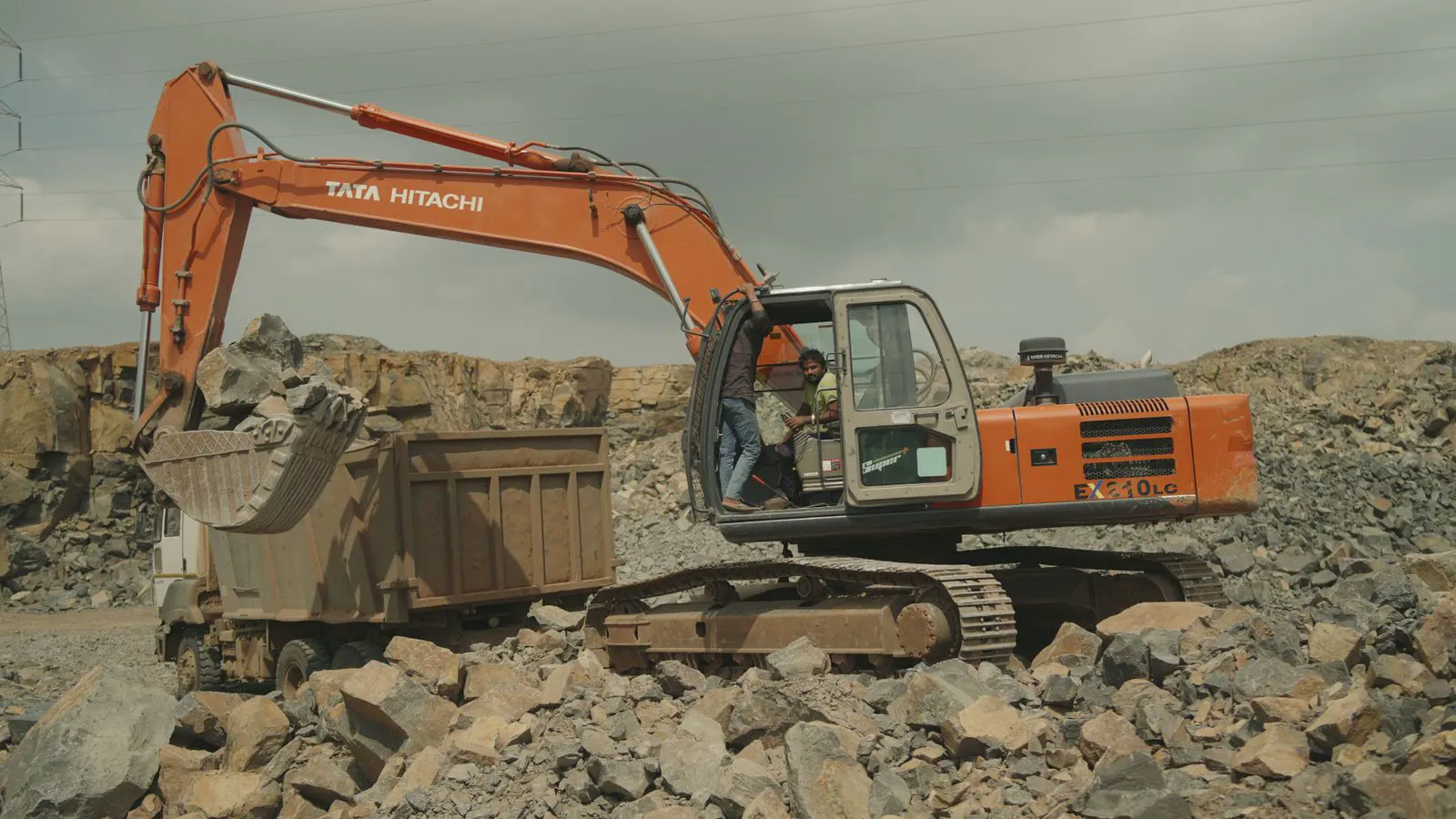
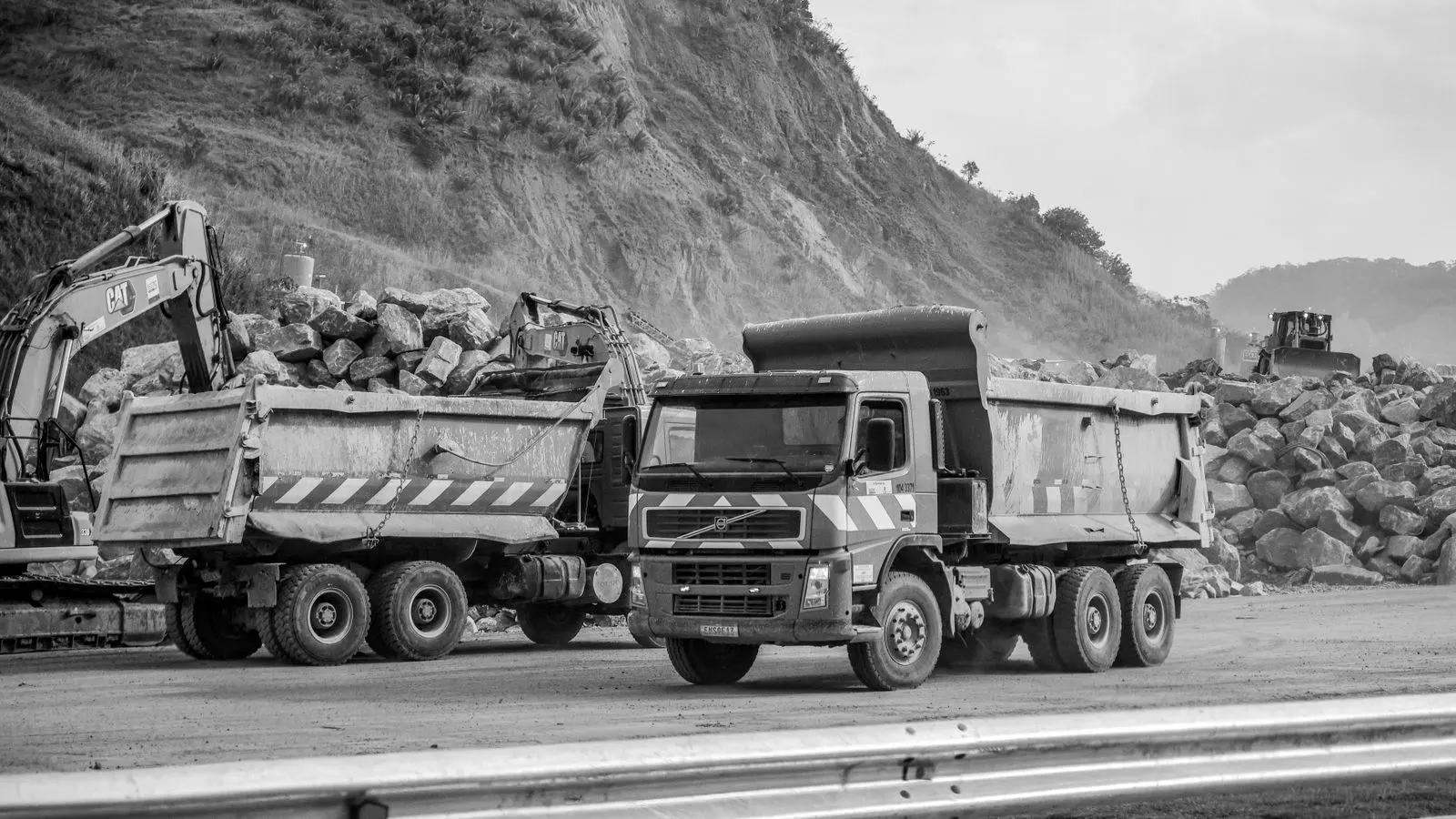
Another mistake is ignoring the loading system. The truck and the loader must match. If the loader is too slow, the truck waits. If the loader is too big, the truck is underutilized. The cycle time of the haulage operation depends on the match between the two machines. A mismatch wastes money. For example, a large truck paired with a small loader will sit idle while the loader fills the bucket. The truck is paid for but not working.
Do not assume the delivery date is fixed. It is a target. The manufacturer will give you a target date, but that date can move. Ask for the build schedule. Ask for the transport schedule. Ask for the site readiness checklist. These documents give you a clearer picture of what is required and when.
Final Thoughts on Planning
Haul truck selection is a long process. It requires careful planning and clear communication. The cost is driven by the machine, the site, and the logistics. The lead time is driven by the build, the transport, and the site readiness. By writing a clear RFQ and comparing quotes fairly, you can make a better decision. The goal is to get the right machine to the site on time and within budget.
Frequently asked questions
How long does it take to get a haul truck delivered?
Lead times vary by manufacturer and site conditions. A typical timeline can extend from several months to over a year, depending on the build complexity and transport route.
What is the biggest cost driver in haulage procurement?
Payload capacity and site conditions are the main drivers. Steeper grades and longer haul distances require more powerful and robust machines, which increases the price.
Can I change the spec after the purchase order is signed?
Changes can be made, but they often delay the build. It is best to finalize the specification before the order is placed to avoid schedule impacts.
What should I include in my RFQ?
Include site data, haul distance, grade, material type, power source, and loading system details. This allows manufacturers to give accurate quotes.
How do I compare quotes from different manufacturers?
Normalize the quotes by breaking them into line items. Compare machine cost, transport, installation, spares, and warranty terms. Also, compare the lead time.