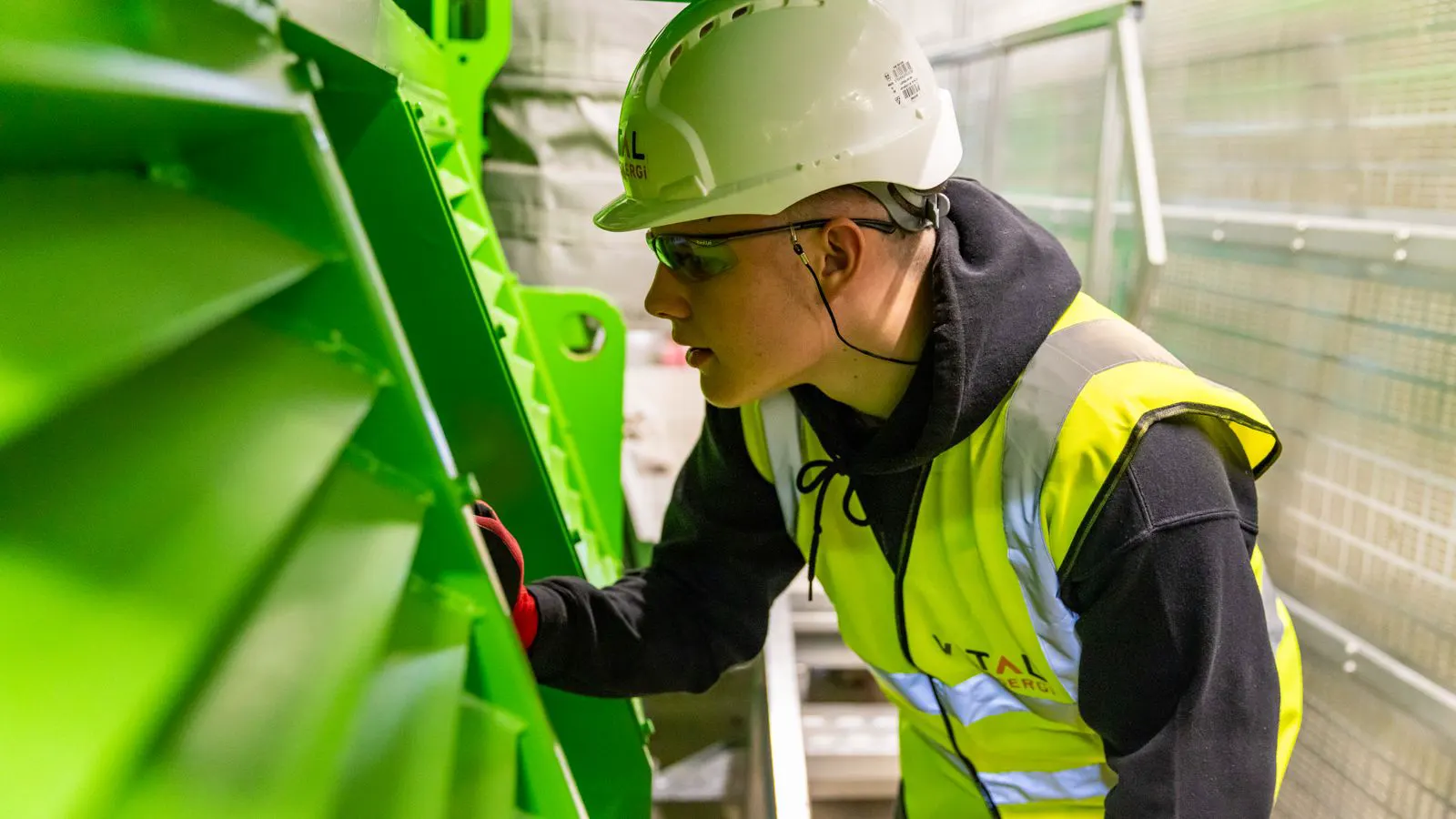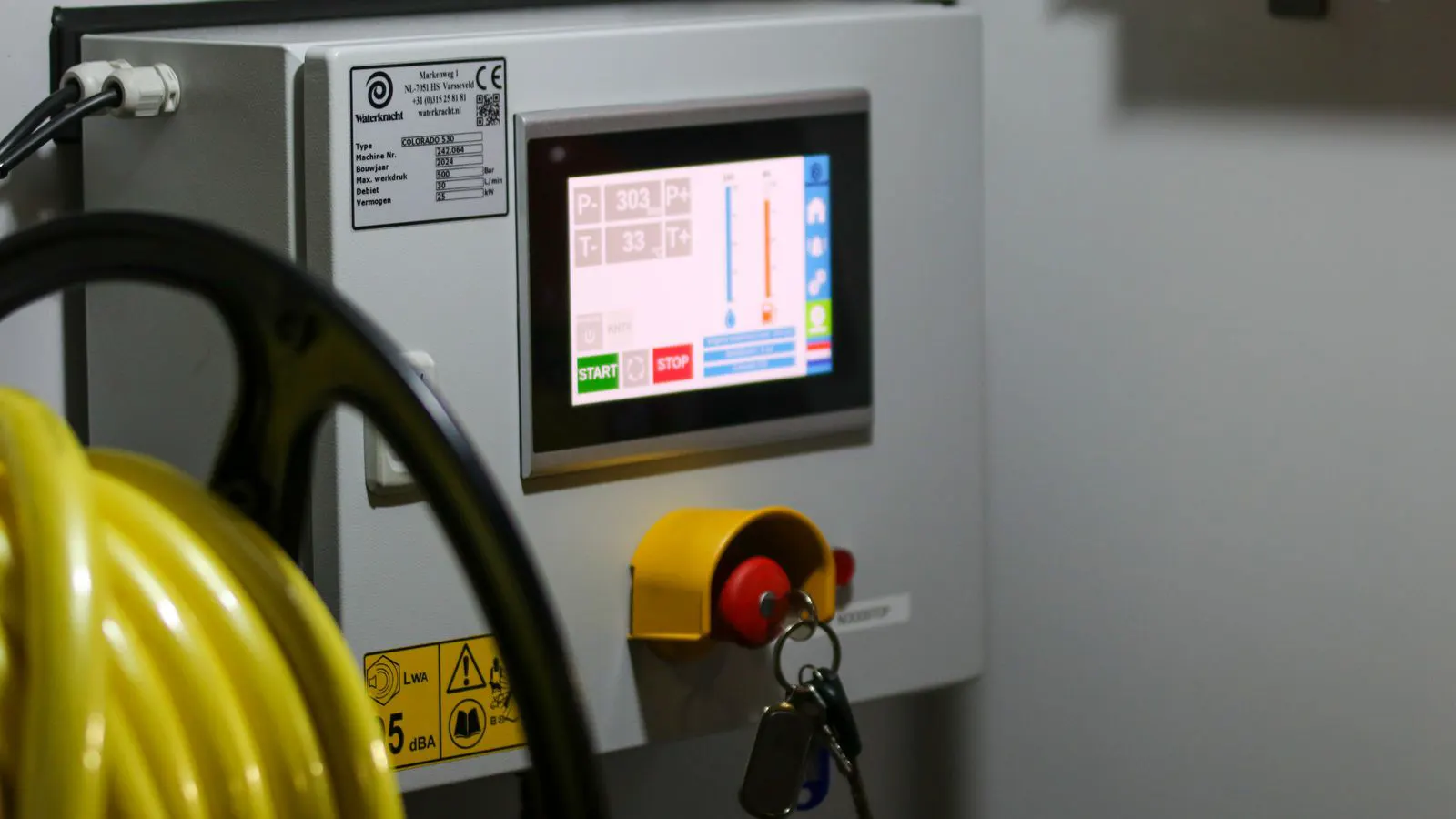
Cost and lead time for machine guards and emergency stops depend on material, custom fit, and regulatory requirements. This guide explains the main cost drivers, how to write a clear RFQ, and how to compare vendor quotes fairly.
- Guarding costs rise with custom fabrication, special materials, and complex mounting points.
- Emergency stop systems require certified components, wiring, and integration testing.
- Clear RFQs with drawings and standards reduce quote variance and delivery surprises.
- Compare quotes on total cost of ownership, including installation and spare parts.
What drives the price of machine guards
Machine guards are not simple commodity items. A basic fixed panel costs very differently from a custom interlocked door or a full perimeter enclosure. The biggest cost drivers are material, fabrication complexity, and fit.
Aluminum extrusion guards are common for light duty applications. They are cheaper to buy and install, but they may not survive heavy impact or abrasive environments. Steel guards cost more up front, yet they handle harsher conditions. Stainless steel is reserved for corrosive settings, and the price jump is significant.
Interlocked guards add a major cost layer. Each door or panel needs a switch, a housing, and wiring. The switch must be rated for the duty cycle of the machine. A guard that opens for maintenance must not allow the machine to run. This requires a control logic update, which is often the hidden cost.
Mounting points matter. If the machine frame is not designed with guard rails or clamps, the vendor must drill and tap. That adds labor time. If the machine is already in a pit or on a conveyor line, access for fabrication and installation can double the cost.
Why emergency stop systems take longer to source
Emergency stop buttons, pull cords, and light curtains are standard parts. The delay usually comes from integration. A single button is cheap. A system that stops multiple motors, releases brakes, and isolates power is a project.
The control cabinet is the bottleneck. If the existing PLC does not have spare inputs, the vendor must install a new module or a separate safety relay. That requires wiring, testing, and documentation.
Certification adds time. Some jurisdictions require the stop circuit to be independent of the main control loop. If the current design does not meet that, the retrofit fails inspection. The vendor must redesign the circuit and retest it.
Lead time for emergency stop components is rarely the issue. Lead time for certified wiring harnesses, custom enclosures, and on site testing is. Plan for integration work to be the dominant part of the schedule.
How compliance costs affect the budget
Compliance is not just about buying the right part. It is about proving the part works. The cost of compliance includes documentation, testing, and potential rework.
If the machine is used in a confined space, the guard may need a specific fire rating or a specific gap limit. If the machine handles explosives, the guard material and fasteners must be non spark producing. Each extra requirement changes the part number and the price.
The biggest compliance cost is often the audit trail. The buyer needs records of the design, the material certs, the test results, and the operator training. If the vendor does not provide these, the buyer pays to generate them.
Some regions require annual inspections of guarding systems. Budget for this recurring cost. It includes labor, calibration of interlocks, and record keeping.
How to write a clear RFQ for safety hardware
A vague RFQ produces vague quotes. The buyer must define the scope before sending the request for quotation.
Start with the machine model and serial number. Provide drawings if available. Mark the exact location of the guard or stop device. Specify the standard the guard must meet. Do not assume the vendor knows which standard applies to the local jurisdiction.
Define the operating conditions. State the temperature, humidity, and dust level. If the guard will be wet, specify the IP rating. If it will be in a high vibration area, specify the vibration rating.
Ask for a bill of materials. The quote should list each component, its material, and its quantity. This allows you to compare apples to apples. If one vendor quotes a “guard system” and another quotes individual parts, you cannot compare the totals.
Request lead time for each item. Do not ask for a single delivery date. Ask when the guard will ship, when the wiring will be ready, and when the vendor will be on site for testing.
How to compare quotes fairly
Do not pick the lowest number. Look at the total cost and the risk.
Check what is included in the price. Does it cover shipping, installation, and commissioning? Some vendors charge installation separately. Others include it. Make sure all bids have the same scope.
Look at the warranty. A five year warranty on the guard structure is good. But what about the interlock switch? What about the wiring? Ask for a breakdown of warranty terms for each component.
Check the spare parts list. If a guard panel is custom made, the vendor may take months to make a replacement. A standard guard panel can be shipped in a week. Ask what is in stock and what is made to order.
Compare the delivery plan. A quote with a six month lead time may be cheaper than a quote with a two month lead time. If the machine is down for safety upgrades, the cost of downtime matters. Factor in the production loss.
Cost drivers at a glance
| Cost Driver | Impact on Price | Impact on Lead Time |
|---|---|---|
| Material type | Low to High | Low |
| Custom fabrication | High | High |
| Interlock switches | Medium | Medium |
| Control cabinet work | High | High |
| On site access | Medium | High |
| Certification and docs | Medium | Medium |
How to manage the timeline
The timeline is usually the hardest part to control. The physical parts arrive fast. The integration work takes long.
Break the project into phases. Phase one is design and drawing approval. Phase two is fabrication and component sourcing. Phase three is on site installation. Phase four is testing and commissioning.
Assign an owner to each phase. The vendor owns fabrication. The buyer owns site access and machine shutdown. The control engineer owns the wiring and logic.
Set up a weekly status meeting. Do not wait until the delivery date to find out the wiring harness is late. Ask for a progress report every week. Ask for photos of the fabrication shop.
Common mistakes that blow the budget
The most common mistake is underestimating the integration work. The guard is cheap. The wiring is expensive. The testing is time consuming.
Another mistake is ignoring the existing machine condition. If the frame is rusted or the mounting holes are stripped, the vendor must do repair work. This is not always in the original quote.
Buyers also fail to account for storage. If the guard is delivered before the machine is ready, it must be stored. That costs money and space.
Finally, buyers often skip the operator training. The guard must be used correctly. If the operator does not know how to reset the interlock, the system will be bypassed. Budget for training and documentation.
Final checklist for the RFQ
- Machine model and serial number
- Location drawing with guard points marked
- Applicable safety standard and jurisdiction
- Operating environment conditions
- Bill of materials requirement
- Lead time breakdown for parts and installation
- Warranty terms for all components
- Spare parts availability
- Commissioning and testing plan
- Training and documentation scope
Frequently asked questions
What is the biggest cost driver for machine guards?
Custom fabrication and control integration are usually the biggest drivers. A standard panel is cheap, but adding interlocks and wiring costs significantly more.
How long does it take to install an emergency stop system?
It depends on the complexity. A simple button installation may take a day. A full system with new wiring and control logic can take weeks.
Do I need a separate budget for compliance?
Yes. Compliance costs include documentation, testing, and potential rework. These are often not included in the hardware quote.
Can I buy standard guards for custom machines?
Often no. Custom machines usually require custom guards to fit the specific frame and access points. This increases cost and lead time.
How do I reduce the lead time for safety hardware?
Provide a clear RFQ with drawings and specifications. Ask for a lead time breakdown. Order spare parts early. Plan the installation schedule in advance.